
close
Choose Your Site
Global
Social Media


Views: 0 Author: Site Editor Publish Time: 2026-06-17 Origin: Site


Food manufacturers, distributors, and commercial kitchens face relentless daily pressure. They must constantly extend product shelf life. They also need to reduce packaging waste and maintain strict hygiene standards. Plastics and papers often look attractive initially due to lower upfront prices. However, these materials frequently fail during high-heat processing. They also underperform in long-term preservation environments. You need a packaging solution built specifically for these severe demands.
This guide provides procurement teams and operational managers a clear evaluation framework. You will learn exactly how to match material specifications to your specific applications. We will show you how to assess supplier quality objectively. Furthermore, you will discover how to avoid the hidden operational waste caused by subpar manufacturing. Mastering these evaluation steps ensures you protect your products efficiently.
Absolute Barrier: Aluminum provides a non-porous shield against light, oxygen, moisture, and microbes, fundamentally extending shelf life.
Application-Specific Sizing: Selecting the correct thickness (ranging from 10µm to 70µm+) is critical to balancing durability with procurement costs.
Risk Mitigation: Evaluating supplier winding quality and thickness consistency prevents operational bottlenecks like frequent tearing and double-wrapping.
Safety Limits: Bare foil requires strategic application; high-acid or high-salt foods necessitate laminated alternatives to maintain food safety and compliance.
Why do industry professionals prefer certain materials over others? The answer lies in microscopic material structures. Plastics remain permeable. They let oxygen slowly seep through the packaging. They also allow internal moisture to escape over time. Foil works fundamentally differently. It acts as an absolute barrier. It completely blocks UV light, ambient oxygen, and external moisture. This zero-transmission capability prevents lipid oxidation in fatty foods. It also stops rapid moisture loss in baked goods. Your food stays fresher for much longer.
Next, consider the mechanical "deadfold" characteristic. Deadfold refers to the material's unique ability to hold its shape. Once you fold it, it stays folded. Plastics possess structural memory. They constantly try to snap back to their original flat shape. The deadfold property of metal allows rapid, secure mechanical sealing. Kitchen staff do not need extra adhesives. They do not require complex thermal treatments to secure a package. You simply crimp the edges tightly. The package remains completely shut during transport.
Furthermore, operational flexibility demands high thermal conductivity. Commercial cooking environments subject packaging to extreme temperature swings. These materials must survive intensive blast-freezing operations. They must also endure direct-to-oven heating safely. Foil handles commercial cooking temperatures up to 400°F (200°C) effortlessly. It will not melt onto the food. It will not warp under intense broiler heat. It refuses to leach harmful chemical compounds into the meal. This dual-temperature resilience makes it indispensable in commercial kitchens. You can prep, freeze, ship, and cook food inside the exact same container.
Light Protection: Foil blocks 100% of UV rays. Clear plastics block almost none, accelerating food discoloration.
Oxygen Transmission: Metal offers a zero-transmission rate. Paper and thin plastics allow continuous gas exchange.
Heat Tolerance: Aluminum withstands 400°F safely. Standard plastic wrap melts at temperatures above 250°F.
Selecting the correct material gauge requires careful strategic planning. Buyers often over-specify material thickness. They buy heavier grades just to feel safe. This habit wastes procurement budget rapidly. Conversely, buying overly thin materials causes a completely different set of problems. It increases product spoilage rates. It also drives up puncture incidents during transit. You must match the specification precisely to the intended application. This ensures maximum cost-efficiency and product integrity.
We categorize standard thickness tiers based on intended structural outcomes. Below is a rapid evaluation chart designed to guide your purchasing decisions.
Thickness Tier (µm) | Classification | Key Performance Features | Optimal Food Applications |
|---|---|---|---|
10–15 µm | Lightweight | High flexibility, lightweight, cost-effective | Confectionery, chocolates, light sandwich wrapping |
30–38 µm | Medium-Duty | Balanced puncture resistance, excellent deadfold | Dairy products, yogurt lids, institutional foodservice wrapping |
50–70+ µm | Heavy-Duty | Maximum structural stiffness, superior tear resistance | Rigid container lids, deep-freeze storage, pie/jam packaging |
Let us examine the 10–15 µm lightweight category first. Confectionery and chocolate wrappers rely heavily on this gauge. You should note a massive industry trend toward "thinning" in this sector. Manufacturers actively reduce material weight to save costs. They maintain the protective shield while using significantly less raw metal. This lightweight profile wraps tightly around complex shapes.
Medium-duty applications typically require 30–38 µm thickness. Dairy products rely completely on this specific gauge. Yogurt lids and dessert containers need robust puncture resistance during shipping. Institutional foodservice operations use this gauge heavily for everyday wrapping. It balances daily durability with reasonable procurement costs.
Finally, heavy-duty applications demand 50–70+ µm variants. Rigid container lids demand stiff, unyielding materials. Commercial jam packaging and pie production require high structural integrity. Deep-freeze storage also requires heavy-duty variants. The material must resist sharp ice crystal punctures over several months. Skimping on thickness in a freezer environment guarantees freezer burn and lost inventory.
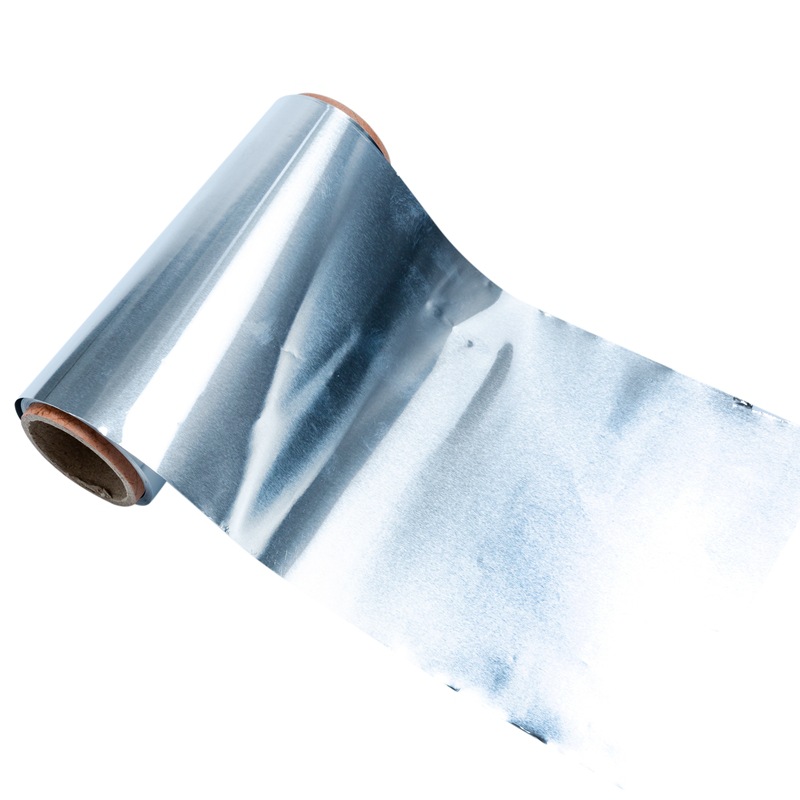
Many procurement officers focus exclusively on the raw unit price. They choose vendors based solely on the lowest initial quote. This approach completely ignores daily implementation realities. Kitchen staff face serious friction points when using cheap materials. You must evaluate the physical construction of wholesale Aluminum Foil Rolls carefully.
First, examine winding quality and core integrity closely. Factories must cut and roll the metal precisely on the production line. Poor winding creates uneven, jagged edges. Uneven edges lead to constant snagging during rapid dispensing. Workers try to pull a clean sheet from the box. The material tears diagonally instead. They must throw away the torn piece and start over. This repetitive failure destroys kitchen efficiency.
Weak paper cores create another severe operational issue. The cardboard tube inside the box collapses under its own weight. Once the core crushes, the dispensing machine cannot rotate the roll freely. You end up throwing away perfectly good metal simply because the internal paper structure failed. A cheap roll becomes incredibly expensive when you discard 20% of it unused.
Inconsistent thickness creates invisible, daily waste. Low-quality manufacturers struggle to maintain a uniform gauge across the entire run. A roll might measure 18µm at the start but drop to 12µm halfway through. Kitchen staff notice this immediately. The wrap feels flimsy in their hands. They lose trust in the material's structural strength.
To compensate, they alter their behavior. They pull twice as much material off the roll. They use "double layers" to secure a simple catering pan. This natural human behavior silently doubles your actual material consumption. It generates massive excess waste. You thought you bought a cheaper product. Instead, your staff uses twice the volume to achieve the exact same result. You must prioritize consistency over initial price tags to control your operational budget.
Building a trustworthy procurement strategy requires absolute transparency. We must address the physical limits of bare metal honestly. Bare foil provides incredible protective benefits. However, it requires highly strategic application. You cannot use it universally for every single recipe.
You must understand the acid and salt rule thoroughly. Highly acidic ingredients degrade bare metals rapidly. Tomatoes, citrus fruits, and vinegar-based sauces react chemically with the surface. High-salt foods trigger a very similar chemical reaction. When these specific ingredients touch bare metal, aluminum ions can migrate. The metal begins to pit and break down. Small microscopic pinholes develop across the sheet.
This degradation creates two major problems. First, it compromises your protective airtight seal. Oxygen sneaks in through the pinholes. Second, it risks degrading the meal's intended flavor profile. No chef wants their signature tomato sauce ruined by a metallic aftertaste.
Avoid Direct Contact: Never let bare metal touch sliced lemons, tomato pastes, or highly salted cured meats.
Use a Buffer Layer: Place a sheet of food-grade parchment paper between the acidic food and the metal covering.
Switch to Alternatives: Utilize specialized coated materials designed for aggressive flavor profiles.
Fortunately, the industry offers a fully compliant solution. You can switch to laminated alternatives immediately. Manufacturers bond a thin plastic film or a bio-coated layer directly to the metal. This laminate physically separates the meal from the bare metal surface. You still get the superior thermal conductivity. You still get the deadfold benefits. You also achieve complete food safety for aggressive, highly acidic flavor profiles.
Always establish strict regulatory baselines for your vendors. Require your suppliers to provide documented, verifiable compliance. They must prove adherence to major international frameworks. Ask for FDA guidelines documentation if operating in the United States. Request EG 1935/2004 compliance certificates in European markets. Do not accept simple verbal assurances from a sales representative. Demand formal laboratory test results to ensure your packaging meets all legal health standards.
Modern businesses must balance rapid scalability with sustainability. You should frame environmental impact through the lens of resource efficiency. Simply calling a product "green" means very little to your bottom line. You must look at how efficiently the material performs its core job.
Consider the vital product-to-pack ratio. This industry metric measures the weight of packaging versus the weight of the actual food. Traditional metal cans typically offer a heavy 3:1 ratio. Rigid plastic tubs might hit a 5:1 ratio. Foil packaging completely disrupts these traditional numbers. A fraction of a gram can fully protect a full liter of liquid. Flexible laminate pouches achieve astonishing ratios approaching 29:1.
This extreme lightweighting delivers massive logistical advantages. It drastically lowers shipping weights across your entire supply chain. You burn significantly less fuel during transport. You emit fewer greenhouse gases compared to shipping heavy glass jars or thick plastic crates. You can pack more actual product onto a single pallet. This maximizes your freight efficiency and lowers your distribution expenses.
Furthermore, aluminum boasts an incredible infinite recyclability cycle. Facilities can melt it down and reshape it endlessly. The metal never loses its core physical properties. It maintains its protective qualities through thousands of lifecycles. Recycling it requires only 5% of the energy initially needed to produce new metal.
This lifecycle perfectly aligns with modern corporate Environmental, Social, and Governance (ESG) goals. Choosing highly recyclable materials directly lowers your end-of-life disposal liabilities. It reduces municipal waste processing fees. Consumers increasingly demand sustainable packaging choices. Highlighting your use of infinitely recyclable materials builds strong brand loyalty. It positions your company as a responsible, forward-thinking market leader.
Evaluating packaging materials effectively transforms your daily operational efficiency. Your shortlisting logic should center firmly on four specific criteria. First, verify thickness accuracy to prevent product spoilage. Second, inspect winding quality and core strength to eliminate dispensing friction. Third, demand strict safety compliance documentation to protect your consumers. Fourth, match the exact gauge to your daily culinary applications.
Take immediate next steps to secure your supply chain. Audit your current kitchen stations today. Watch your staff closely for hidden waste behaviors. Look for frequent tearing incidents. Notice if they rely on double-wrapping simple pans. Speak directly to your culinary team about material performance.
Before you finalize your next bulk supplier contract, request comprehensive technical specification sheets. Ask for physical samples to test dispensing speed in a real kitchen environment. Verify their lamination capabilities for your acidic menus. These focused evaluation steps protect your financial margins. They eliminate daily friction. Most importantly, they elevate your overall food quality seamlessly.
A: Consistency in thickness and the quality of the roll winding matter most. These factors directly impact dispensing speed. A well-wound roll prevents frustrating diagonal tearing. Consistent gauge stops kitchen staff from double-wrapping pans out of fear. Both factors minimize material waste and keep your daily operations running smoothly.
A: No. The visible difference is merely a result of the heavy manufacturing and milling process. Both the shiny and dull sides offer the exact same protective and safety properties. However, the shiny side reflects radiant heat slightly better in very specific thermodynamic baking applications.
A: Bare metal reacts chemically with highly acidic foods like tomatoes and citrus fruits. You should switch from bare rolls to laminated foils for these specific ingredients. Alternatively, you can utilize a simple protective barrier layer. Placing parchment paper between the food and the metal prevents ionic migration entirely.


