
close
Choose Your Site
Global
Social Media


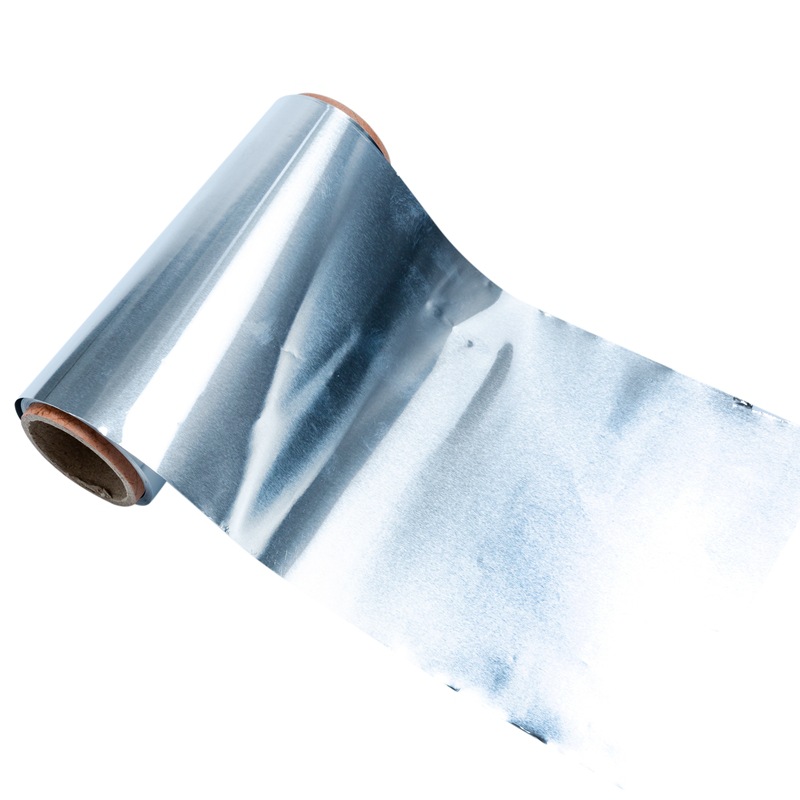


Materials:Recyclable Aluminum Foil
Size:Thickness:9-40 micron,Length:3m-300 m per roll,Width:5cm-60cm,Customized
MOQ:1 Ton
Logo:can be printed
Sales Models:Wholesales, retail
Lead time: 2-30 days based on order time and quantity
VAF1-1
VWIN
| Quantity: | |
|---|---|


Aluminum Foil Roll and Sheet are also called household foil, catering foil, or kitchen foil. They are made of 8011/1235 alloy, soft temper, recyclable, and food-grade aluminum foil, as well as being available for logo printing. It is a professional customized packaging and cooking material exclusively designed for kitchen and food handling, widely applicable to household baking, cooking, barbecues, food packaging, baked food preservation, and the catering industry to keep food fresh.
Our food-grade aluminum foil is a professional material exclusively designed for food safety and high-temperature environments. Different from ordinary wrapping materials, this aluminum foil adopts a high-performance anti-sticky, fire-resistant, and high-temperature-resistant design. It effectively locks in moisture, maintains heat preservation, prevents oil leakage, and avoids external contamination during storage or cooking. It not only greatly reduces long-term food spoilage and waste but also protects food flavor, extends the fresh-keeping period, and ensures optimal food safety.
We support full-size customized services, including thicknesses from 9 to 40 microns, widths from 5cm to 60cm, and lengths from 3m to 300m per roll. We also offer customized logo printing and various packaging options, such as individual kraft boxes, PE bags, color boxes, and cartons. With strong toughness, easy-to-tear serrated options, and zero special maintenance required, it is the essential daily accessory for both household and commercial catering scenarios.

✅ Food-Grade Safety & High Temperature Resistance
Made of premium recyclable aluminum alloy (8011/1235) with food-grade certification, non-hazardous and safe for direct food contact. Withstands direct flame and high-temperature oven baking up to extreme heat, ideal for grilling, roasting and cooking without deformation or harmful substance release.
✅ Superior Moisture-Locking & Freshness Preservation
Excellent sealing performance locks in food moisture, flavor and nutrients, prevents dehydration and oxidation. Keeps meat, seafood, fruits, vegetables and baked goods fresh for a longer time, effectively extending shelf life and reducing food waste.
✅ Oil-Proof, Waterproof & Anti-Stick, Easy Cleanup
Special surface treatment ensures strong oil and water resistance, prevents food from sticking to the foil during baking or grilling. Eliminates the need for extra grease or cooking spray, simplifies post-cooking cleanup and protects cookware from stubborn residue buildup.
✅ Strong Toughness & Tear Resistance, Flexible Application
High-purity aluminum material with exceptional tensile strength and tear resistance, not easy to break or puncture during wrapping, folding or molding. Suitable for various shapes and sizes of food containers, baking trays and packaging needs.
✅ Full Customization & Multi-Scenario Compatibility
Supports customized thickness (9-40 micron), width (5cm-60cm) and length (3m-300 m per roll). Available in roll, sheet and perforated formats with optional LOGO printing, pattern design and branded packaging. Perfect for household kitchens, restaurants, catering services, food factories, BBQ events, hookah use and industrial insulation.
✅ Eco-Friendly Recyclable Material, Sustainable Choice ♻️
100% recyclable aluminum material reduces environmental impact compared to single-use plastics. Reusable in multiple cooking cycles depending on application, contributing to greener kitchen practices and corporate sustainability goals.
✅ Convenient Cutting & User-Friendly Design ✂️
Available with optional metal cutter, sawtooth edge or bracket-and-knife dispenser for smooth, precise tearing. Various packaging options (color box, Kraft box, PE bag, carton) support retail display, wholesale distribution and e-commerce shipping with minimal storage space required.
✅ Fast Delivery & Flexible MOQ, Reduce Procurement Cost
Stock available for common specifications with low MOQ; custom orders fulfilled within 3–30 days based on material availability. Competitive factory-direct pricing with tiered volume discounts, helping wholesalers, distributors and retailers optimize inventory costs and profit margins.
Comparison Criteria | Our Premium Aluminum Foil | Standard Aluminum Foil |
Material Composition | Food - grade recyclable aluminum foil (8011/1235 alloy, soft temper), certified by ISO & CE | Generic aluminum foil (unknown alloy, no certification) |
Thickness & Strength | Thickness 9 - 40 micron, high strength, not easy to break, strong toughness | Fixed thickness (e.g., 11 micron), low strength, easy to tear |
Heat Resistance | High temperature resistant, can touch fire, fire - resistant | Low temperature resistance, cannot touch fire, flammable |
Customization | Corrosion-resistant metal core ensures Full - size customization (thickness 9 - 40 micron, width 5 - 60cm, length 3 - 300m/roll), LOGO printing, packaging customization (various boxes) | Fixed size, no customization, standard packaging |
Application Versatility | Suitable for baking, cooking, barbecue, food packaging, baked food preservation, catering industry | Limited to simple household wrapping, not suitable for high - temperature cooking |
Durability | Anti - sticky, moisture - proof, sealed, long service life (3 years warranty) | Prone to oil staining, not moisture - proof, short service life |
Food Safety | Non - hazardous, food - grade, safe for direct contact with food | May contain impurities, not food - grade, unsafe for food contact |
● Superior Food Preservation & Waste Reduction
Extend the shelf life of fresh ingredients, leftovers, and prepared meals by up to 50%. Our high-barrier aluminum foil effectively blocks light, oxygen, and moisture, preventing spoilage, freezer burn, and odor transfer. Whether wrapping meat, covering casseroles, or storing baked goods, it keeps food fresher for longer, dramatically reducing daily food waste and saving significant costs over time.
● Versatile Multi-Scenario Application
One single product replaces multiple specialized wraps. Use it for high-temperature baking (up to 250°C), low-temperature freezing (down to -40°C), grilling, barbecuing, takeaway packaging, and industrial insulation. Its exceptional heat conductivity ensures even baking results, while its tear resistance makes it ideal for wrapping irregularly shaped items like chicken legs or fish fillets — eliminating the need to stock different materials for different tasks.
● Operational Efficiency & Labor Savings
Pre-cut sheets and easy-tear dispensing designs streamline kitchen workflows. Staff can quickly portion, wrap, and package food without struggling with tangled rolls or torn edges. For catering businesses, pre-formed aluminum containers eliminate messy cleanup — simply dispose after use, cutting dishwashing labor and water costs by up to 80%.
● Eco-Friendly Brand Image & Compliance
Made from 100% recyclable aluminum with BPA-free and food-grade certifications, our foil helps your business meet increasingly strict environmental regulations and consumer expectations. Displaying "recyclable packaging" badges on your menu or product labels enhances brand reputation among eco-conscious customers, driving repeat purchases and positive reviews.
Ideal for Diverse Commercial & Household Needs
Our premium aluminum foil is expertly designed for a wide range of applications, from high-temperature cooking to professional beauty treatments. It perfectly addresses industry pain points such as poor heat conduction, easy tearing, oil leakage, and material waste, providing a versatile, hygienic, and cost-effective solution for various business scenarios.
● Food Service & Catering Scenarios
Perfect for commercial kitchens, restaurants, bakeries, and home cooking. Ideal for grilling, baking, and air frying (as shown with the chicken wings). It effectively locks in moisture and flavor, prevents oil leakage, and keeps your ovens and grills clean, significantly reducing post-meal cleanup time.
● Hookah Lounge & Entertainment Scenarios
Specially designed for hookah bars, KTVs, and cafes. The pre-perforated design ensures optimal airflow and even heat distribution for a smooth smoking experience. It is heat-resistant and easy to handle, enhancing operational efficiency in entertainment venues.
● Beauty Salon & Spa Scenarios
An essential tool for hair salons and beauty spas. Perfect for hair dyeing, highlighting, and bleaching processes (as shown in the salon images). Its superior flexibility and strength prevent tearing during application, ensuring precise sectioning and professional results every time.
● Nail Salon & Personal Care Scenarios
Widely used in nail salons for gel polish and acrylic nail removal. It securely holds cotton pads soaked in remover against the nail, accelerating the dissolving process while protecting the surrounding skin. A must-have consumable for efficient and hygienic manicure services.

Integrated Manufacturer, Direct Factory Pricing
We are a self-owned factory with over 15 years of experience in aluminum foil production. Every roll is produced in-house, from raw material sourcing to finished packaging, strictly controlled at every stage to ensure consistent quality and competitive pricing without middleman markups.
Superior Performance Backed by Data
Our aluminum foil delivers uniform thickness (±3% tolerance), excellent tear resistance, and stable performance across extreme temperatures (-40°C to 250°C). Verified by third-party testing and trusted by thousands of clients worldwide for reliable, repeatable results.
Global Export Experience, Tailored Service
With 10+ years of export experience serving markets across North America, Europe, Southeast Asia, the Middle East, and Africa, we understand diverse regulatory requirements, packaging preferences, and logistics standards — offering seamless cross-border cooperation.
Full Customization for Any Application
One size doesn't fit all. We offer flexible customization on thickness (9-40 micron),(width 5-60cm),(length 3-300m/roll), packaging format (kraft box, PE bag, color box, etc.), and private labeling — perfectly matching your specific business needs.
Leveraging fully automated production lines and precision winding technology, we maintain complete control over manufacturing from raw materials to finished goods. Our rigorous quality control ensures high strength and consistency, while standardized warehousing guarantees efficient and reliable global delivery.


● Professional Customization: Provide one-to-one size matching and scheme customization according to customer equipment parameters.
● Quality Assurance: Strict factory inspection, high-standard materials, stable product quality.
● Fast Delivery: Sufficient raw material inventory, shorten production cycle for wholesale orders,fastest 1-day shipping.
● After-sales Support: Long-term after-sales consultation, installation guidance and product maintenance guidance.
● Wholesale Service: Support bulk wholesale, project cooperation, OEM/ODM customization.
● CE Certified — Meets European Union safety, health, and environmental protection requirements.
● ISO 9001:2015 — Quality management system certification.
● RoHS Compliant — Free from hazardous substances.
● SGS Audited — Factory and product quality verified by third-party inspection.
● Food Contact Safe — Food-grade materials meet FDA and EU food safety standards.


