
close
Choose Your Site
Global
Social Media


Views: 0 Author: Site Editor Publish Time: 2026-06-10 Origin: Site


Professional-grade foil operates as far more than a basic salon commodity. It serves as a vital operational tool. Your choice of foil directly influences service speed, chemical processing consistency, and overall business profitability. Unfortunately, many professionals still rely on standard or kitchen-grade materials. These generic products introduce hidden inefficiencies into your daily workflows. Tearing, slipping, and poor heat retention inflate labor time. They also compromise client results across both hair and nail services.
To protect your bottom line, you must upgrade your foundational supplies. This article provides owners, procurement managers, and independent stylists with an objective, specification-driven framework. We will help you evaluate and select the precise Aluminum Foil for Hairdressing Nail applications. You will learn how to balance material performance, client safety, and format efficiency to elevate your daily operations.
Efficiency Driver: Premium embossed foils reduce application time by preventing slippage and securing chemical adhesion.
Quality Metrics: Optimal salon foil thickness ranges strictly between 12–20 microns to balance flexibility with tear resistance.
Format ROI: Pop-up (pre-cut) formats yield higher ROI for high-traffic salons, whereas traditional rolls offer length versatility for specialized techniques.
Risk Mitigation: Low-quality foil leads to hidden costs, including double-wrapping, color bleeding, and chemical reactions with impurities.
Understanding the physics behind foil application helps you appreciate its value. It acts as an active participant in chemical processing rather than a passive wrapper. Professionals rely on it to manipulate temperature and isolate treatments effectively.
Foil transforms how hair color develops. The scalp naturally generates a baseline level of body heat. When stylists apply lighteners or permanent dyes, these chemicals trigger an exothermic reaction. Foil serves as an exceptional insulator. It traps this generated heat directly around the hair shaft. This insulation ensures the hair cuticle opens fully and evenly. Consequently, products penetrate the core faster, yielding vibrant and predictable results.
Modern hair trends demand absolute precision. Multi-tonal techniques like Highlighting, Balayage, and complex Color Correction require physical barriers. Stylists must prevent distinct color formulas from overlapping. Foil establishes a secure, impermeable wall between hair sections. This prevents harsh lines, muddy colors, and unwanted chemical bleeding. It gives you the control needed to execute high-end, dimensional looks.
The nail sector relies heavily on foil for safe, efficient product removal. Technicians use it daily to dissolve acrylics and UV hard gels. They soak cotton pads in pure acetone and wrap them tightly around the client’s fingertips. The foil serves two critical functions here. First, it completely blocks the rapid evaporation of the highly volatile solvent. Second, it traps the client's natural body heat inside the wrap. This heat accelerates the chemical breakdown of the rigid gel, drastically reducing client wait times.
Client safety remains paramount in any salon environment. Foil acts as a sterile, single-use physical barrier. It protects delicate skin and scalps from direct, prolonged contact with harsh bleaches and strong solvents. Using dedicated, high-purity foil ensures strict hygiene protocols are met. It minimizes the risk of allergic reactions, chemical burns, and cross-contamination between clients.
Material texture and physical format determine how quickly your team can work. Selecting the right combination minimizes daily frustration and elevates the client experience.
Surface texture drastically alters handling dynamics. You must choose between traditional smooth finishes and modern embossed designs.
Embossed Texture: Manufacturers stamp micro-pockets across the foil's surface. These tiny indentations act as reservoirs, holding small amounts of developer or lightener. This prevents the chemical from pooling or running down the hair. Furthermore, the textured surface dramatically increases friction. When stylists wear wet nitrile gloves, embossed foil refuses to slip. It also locks together securely when folded.
Smooth Texture: Traditional smooth foil costs slightly less to manufacture. However, its flat surface offers zero friction. When applied to heavily saturated hair, smooth foil frequently slides down the hair shaft. Stylists must expend extra effort and time to secure it firmly near the root.
The physical dispensing format dictates the pace of your service. Each style serves a specific operational purpose.
Pop-Up (Pre-Cut) Foil: These boxes dispense individual sheets exactly like facial tissues. The edges come pre-bent, allowing immediate insertion under the hair root. They eliminate all prep time. High-volume businesses favor pop-up formats because they maximize chair turnover and reduce stylist fatigue.
Traditional Rolls: Rolls require manual cutting. Stylists must tear the foil to their desired length. While slower, rolls offer unmatched versatility for custom applications. If a client possesses exceptionally long hair, rolls allow you to create custom-length sheets without joining multiple pieces together.
Feature | Embossed Pop-Up | Smooth Roll |
|---|---|---|
Grip & Friction | High (Locks firmly into place) | Low (Prone to sliding) |
Preparation Time | Zero (Ready to use) | High (Requires measuring and cutting) |
Best Use Case | Fast-paced coloring, standard highlights | Extra-long hair, specialized custom sections |
Chemical Retention | Excellent (Micro-pockets hold product) | Fair (Product can pool or drip) |
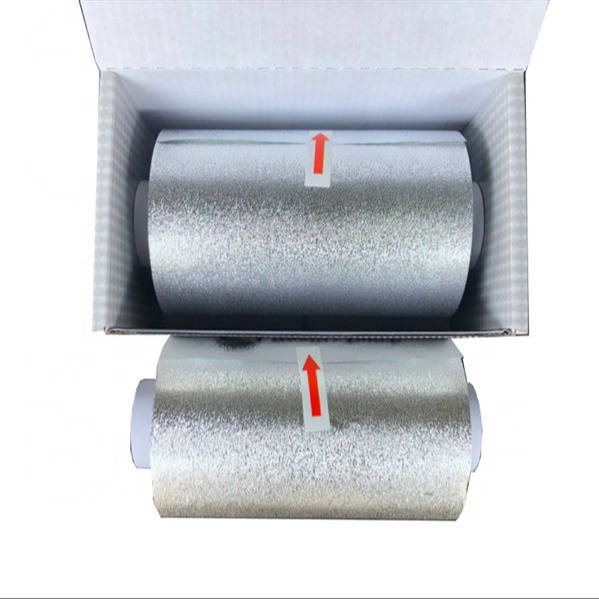
You cannot judge foil by its exterior box. Real performance lies within strict manufacturing specifications. Professional buyers must scrutinize three critical technical elements before signing a procurement contract.
Micron count represents the ultimate metric of usability. The established industry standard dictates a thickness strictly between 12 and 20 microns. If you purchase foil thinner than 12 microns, it will tear instantly when subjected to tight fold-and-lock techniques. Stylists will puncture it with their rat-tail combs. Conversely, foil exceeding 20 microns introduces unwanted rigidity. It adds unnecessary weight to the client's head and strongly resists precise folding. Maintaining the 12–20 micron sweet spot balances essential flexibility with robust tear resistance.
The method used to cut the foil matters immensely. Cheap manufacturing relies on dull blades, leaving ragged micro-edges along the sheet. These invisible imperfections cause snags during application. They quickly develop into microscopic tears, leading directly to chemical leakage. You must insist on die-cut precision. Die-cutting guarantees mathematically perfect, clean edges. This non-negotiable procurement standard ensures every sheet performs flawlessly without compromising the color barrier.
Alloy purity impacts chemical safety. Professional treatments utilize highly reactive oxygenating developers and aggressive lighteners. You must specify food-grade or high-purity aluminum. Impure alloys contain trace metals that can react unpredictably with salon chemicals. These unwanted reactions cause the foil to heat up rapidly and dangerously. In extreme cases, impurities lead to physical degradation of the foil itself, ruining the service and risking scalp burns.
Purchasing decisions driven solely by upfront pricing often backfire. Low-quality materials mask a variety of operational inefficiencies. They inflate your long-term expenses through waste, labor drag, and service failures.
We often see managers attempt to save pennies per roll. This financial reality rarely works out in their favor. Substandard foil forces your staff to alter their techniques to compensate for poor material performance. The initial savings quickly evaporate as daily consumption rates skyrocket. You end up buying inferior packaging twice as often.
Flimsy, thin foils rip easily under the weight of heavy bleaching powders. To prevent these tears, stylists routinely adopt a "double-wrapping" strategy. They use two sheets where one should suffice. This behavioral workaround instantly doubles your material consumption. Your inventory depletes twice as fast, effectively doubling your actual cost per service.
Time remains your most expensive asset. Stylists using cheap materials spend critical, non-billable minutes fighting static cling. They struggle to separate stuck sheets. They constantly pause to fix dropped or slipping foils. These micro-delays add up over a standard eight-hour shift. They reduce the number of clients a stylist can process, directly capping daily revenue potential.
Poor quality foil distributes heat unevenly across the hair section. Uneven heat leads to patchy, inconsistent color lifting. Clients notice these errors immediately. You will face costly redo appointments, wasted chemical products, and severe reputational damage. A premium foil guarantees consistent heat conduction, protecting the final aesthetic outcome.
Modern consumers demand environmental accountability. Aligning your procurement strategy with sustainable practices protects the planet and enhances your brand image. You must navigate this landscape carefully to avoid deceptive marketing.
Virgin aluminum production demands massive amounts of water and electricity. It carries a heavy initial carbon footprint. Furthermore, discarded foil waste faces a staggering 400-year degradation timeline in traditional landfills. Acknowledging this reality represents the first step toward responsible consumption. You cannot ignore the environmental toll of disposable salon tools.
Fortunately, pure aluminum foil boasts a unique advantage: it is infinitely recyclable. It never loses its structural integrity during the recycling process. However, recycling facilities reject contaminated materials. To recycle properly, your staff must rinse the foil clean of all chemical residue and hair before disposal. Implementing a dedicated metal recycling bin in your dispensary drastically improves your sustainability metrics.
You will encounter suppliers promoting "alternative" or "eco-friendly" wrappers. We warn buyers to investigate these claims aggressively. Many alleged alternatives are actually unrecyclable mixed-plastic composites. Once stained with hair dye, they go straight to the landfill. We recommend sourcing from transparent suppliers who utilize high percentages of post-consumer recycled (PCR) aluminum. This significantly lowers the embodied energy of your supplies.
Transitioning to a new supplier requires due diligence. Use this structured approach to vet manufacturers and ensure their products align with your operational demands.
Begin by evaluating your daily client turnover. If your team executes back-to-back highlighting appointments, prioritize pop-up formats to maximize speed. If your staff focuses on custom creative color or caters to clients with extreme hair lengths, secure a reliable source for heavy-duty bulk rolls.
Never accept vague product descriptions. Demand clear, documented data before committing to bulk contracts. You must ask for the exact micron thickness. Request documentation proving alloy purity. Inquire about the specific embossing methods they utilize. If a supplier refuses to provide this technical data, remove them from your shortlist immediately.
Consistency is crucial for salon operations. Look for manufacturers who own their entire production pipeline. Suppliers who control both the extrusion and cutting processes maintain superior batch-to-batch consistency. Relying on middlemen often leads to unexpected texture changes or delayed shipments during peak seasons.
Consider the marketing potential of your supplies. For large distributors or multi-location businesses, custom-printed foil offers an excellent return on investment. Stylists frequently post process photos on social media. Having your logo clearly visible on the foil transforms every client's head into a free billboard, driving local brand awareness.
Evaluation Area | What to Look For | Red Flags |
|---|---|---|
Format Matching | Pop-up for speed; Rolls for length | Only offering one rigid format |
Technical Data | 12-20 microns, die-cut edges, PCR options | Refusal to disclose micron count |
Supply Chain | Direct manufacturer, high transparency | Third-party resellers with inconsistent stock |
Marketing Value | Custom color and logo printing capabilities | Generic, unbranded silver only |
Purchasing salon foil represents a strategic operational investment, not a trivial afterthought. The materials you place in your staff's hands dictate their daily efficiency. Prioritizing premium grip, correct micron thickness, and appropriate format directly impacts stylist productivity and client satisfaction. By eliminating cheap, flimsy materials, you stop wasting money on double-wrapping and redo appointments.
Take immediate action to protect your margins. Audit your current foil usage today. Ask your team to track torn sheets and slipped foils for just one week. Once you see the hidden waste, contact a reputable manufacturer to request a spec-matched sample. Experiencing the difference of professional-grade, embossed foil will instantly transform your workflow.
A: No. Kitchen foil lacks precision pre-cutting, wasting valuable stylist time. It features inconsistent thickness, making it prone to tearing during tight folds. Furthermore, it lacks the embossed texture necessary to grip wet hair, leading to slippage and chemical bleeding.
A: The optimal thickness sits strictly between 12 and 20 microns. This specific range provides the perfect balance. It is thin enough to fold cleanly near the root, yet thick enough to resist tearing from rat-tail combs and heavy lighteners.
A: Slipping occurs because smooth surfaces lack friction against chemically saturated hair. When you combine heavy liquid developers with flat foil, gravity pulls it down. Switching to an embossed foil introduces micro-pockets that grip the hair and lock folded edges securely.
A: Yes, it is entirely safe and highly recommended. Foil does not react with acetone. Instead, it creates a tight physical seal that prevents the volatile acetone from evaporating. It also traps natural body heat, which dramatically speeds up the gel breakdown process.


