
close
Choose Your Site
Global
Social Media


Views: 0 Author: Site Editor Publish Time: 2025-10-18 Origin: Site


Imagine cutting your store's energy costs by up to 40% overnight. Sounds too good to be true? Enter refrigeration night blinds. These innovative tools are transforming retail energy efficiency. But what exactly are they, and why are they crucial for retail businesses? In this post, you'll learn about the importance of refrigeration night blinds and explore their numerous benefits, including energy savings, extended product shelf life, and environmental impact.
Refrigeration night blinds act as a thermal barrier for open refrigerated display cases during non-business hours. When pulled down, they cover the front of the display, significantly reducing the escape of cold air. This containment minimizes the refrigeration system's workload by preserving the cool temperature inside the case. The blinds’ reflective surfaces help maintain a stable internal climate by bouncing back heat and light, preventing external warmth from penetrating the display. This mechanism lowers compressor activity, conserving energy and reducing wear on refrigeration equipment.
Typically, refrigeration night blinds are made from woven aluminum fabric or other reflective metallic materials. These fabrics are lightweight but durable, providing excellent insulation properties. The metallic weave reflects heat and UV radiation, shielding perishable goods from temperature fluctuations and harmful light exposure. Additionally, the fabric features tiny perforations that allow the display to "breathe," preventing condensation buildup inside the case. The materials are also fire-retardant, adding a layer of safety for retail environments. These qualities ensure long-lasting performance and protection for both the refrigeration unit and the products within.
Installing refrigeration night blinds is straightforward and designed for minimal disruption. The blinds come in various sizes to fit different display cases, and custom options are available for unique setups. Installation usually involves mounting a cassette or roller mechanism at the top of the refrigerated case. This cassette houses the rolled-up blind when not in use. When the store closes, employees pull the blind down to cover the display, and it locks in place to prevent accidental retraction. At opening time, the blind rolls back smoothly into the cassette, allowing full access to products. This simple pull-and-roll design requires no additional hardware or complex operation, making it user-friendly for retail staff.
Tip: Choose night blinds made from reflective, breathable materials to maximize insulation while preventing condensation inside refrigerated displays.
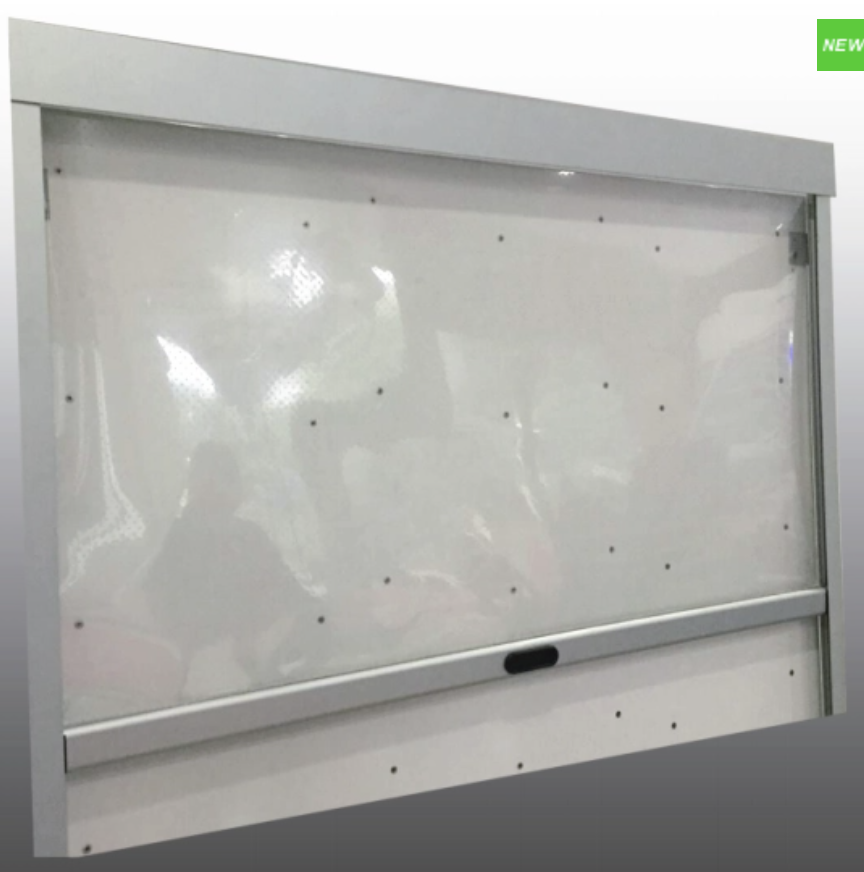
Refrigeration night blinds play a crucial role in cutting down energy use in retail stores. When pulled down over open refrigerated display cases during closed hours, they act as an insulating barrier, trapping cold air inside. This reduces the refrigeration system’s compressor workload by up to 40%, according to various studies. Less compressor activity means less electricity consumed, which directly lowers the store’s energy footprint.
The reflective metallic fabric of the blinds bounces back heat and light, preventing outside warmth from entering the display. This keeps temperatures stable inside the case overnight, avoiding energy loss through evaporation of cool air. By maintaining a steady internal climate, night blinds help refrigeration units operate more efficiently and reduce unnecessary power draw.
Lower energy consumption translates into noticeable savings on utility bills. Retailers often report significant reductions in their monthly electricity costs after installing night blinds. For example, stores using these blinds can see energy savings ranging from 30% to 50% during non-business hours. These savings accumulate over time, making night blinds a smart investment for controlling operating expenses.
Moreover, night blinds help reduce heating costs during colder months. By preventing refrigerated air from escaping into the store, they minimize the need for additional heating to compensate for lost cold air. This dual benefit of lowering both cooling and heating expenses boosts overall cost efficiency.
The initial cost of purchasing and installing refrigeration night blinds is quickly offset by the ongoing energy savings. Many retailers experience a payback period of less than one year. Beyond energy savings, the blinds also extend the lifespan of refrigeration equipment. Reduced compressor strain lowers maintenance and repair costs, adding to the financial benefits.
Additionally, by preserving product freshness and reducing spoilage, night blinds help minimize inventory losses. This contributes to improved profit margins over time. The durable materials used in manufacturing ensure the blinds last for years, further enhancing their value.
Tip: Regularly use refrigeration night blinds during non-business hours to maximize energy savings and reduce your store’s monthly utility bills.
Refrigeration night blinds shield perishable products from heat and harmful ultraviolet (UV) radiation. When the blinds cover the open refrigerated display during closed hours, their reflective metallic fabric bounces back external heat and UV rays. This protection prevents temperature spikes and light damage, both of which can accelerate spoilage. By maintaining a stable, cooler environment, the blinds help preserve the quality and appearance of sensitive items like dairy, meat, and produce.
Condensation inside refrigerated cases can cause moisture buildup, leading to mold growth and product deterioration. The woven fabric of night blinds includes tiny perforations that allow air to circulate, preventing moisture from accumulating. This “breathable” design reduces fogging on display surfaces and keeps the products dry. By minimizing condensation, the blinds help maintain a hygienic environment and protect goods from damage caused by excess moisture.
By effectively insulating the refrigerated display, night blinds keep temperatures consistent overnight. This consistent cooling slows down the natural degradation process of perishable items, extending their shelf life. For retailers, this means less food waste and fewer losses due to spoilage. Products stay fresher longer, which improves customer satisfaction and reduces the need for frequent restocking. Overall, refrigeration night blinds support better inventory management and profitability.
Tip: Use night blinds made from breathable, reflective fabric to protect your products from heat and moisture while extending their freshness and shelf life.
Refrigeration night blinds help lower a store’s carbon footprint by cutting energy use. When these blinds cover open refrigerated cases overnight, they trap cold air inside, reducing the compressor’s workload. This means the refrigeration system uses less electricity, which directly lowers greenhouse gas emissions linked to power generation. For example, installing 100 feet of refrigeration blinds can reduce carbon dioxide emissions equivalent to taking seven cars off the road for a year (example data, verify locally). By saving energy, night blinds contribute to cleaner air and a healthier planet.
Using refrigeration night blinds supports sustainable retail operations. They help stores use energy more efficiently and reduce waste by extending product freshness. This aligns with growing consumer demand for environmentally responsible businesses. Retailers adopting night blinds demonstrate commitment to lowering their environmental impact, which can be part of a broader sustainability plan. Additionally, these blinds reduce refrigeration equipment wear, decreasing the need for frequent replacements and minimizing waste from discarded appliances.
Environmental responsibility resonates well with customers. Stores using refrigeration night blinds can promote their energy-saving efforts as part of green initiatives. This builds trust and loyalty among eco-conscious shoppers. Sharing information about reduced energy consumption and carbon footprint can enhance brand reputation. It also positions the store as a forward-thinking business that cares about the environment and community. Such positive perception may attract more customers and improve overall sales.
Tip: Highlight your store’s use of refrigeration night blinds in marketing materials to showcase your commitment to sustainability and attract eco-aware customers.
Refrigeration night blinds are built to last. Unlike plastic alternatives that can easily tear or discolor, these blinds use high-quality woven aluminum fabric or reflective metallic materials. These materials resist wear and tear, ensuring the blinds maintain their insulating and reflective properties over many years. The fabric’s fire-retardant nature adds safety and durability in busy retail environments. The enclosed cassette design protects the blind when rolled up, preventing damage from dust or accidental contact. This robust construction means retailers make a one-time investment that keeps paying off without frequent replacements.
Maintaining refrigeration night blinds is simple. The materials resist stains and are easy to clean with a damp cloth or mild detergent. Since the fabric is designed to "breathe," it prevents moisture buildup, which reduces mold or mildew risks. The smooth operation of the roller or cassette mechanism also requires minimal upkeep. Occasionally checking the blind for any damage or dirt and cleaning it ensures optimal performance. Because the blinds roll up neatly and stay out of the way during business hours, they don’t interfere with daily store operations or require extra cleaning efforts.
Most manufacturers back their refrigeration night blinds with at least a one-year warranty covering defects in materials and workmanship. This warranty provides peace of mind and ensures retailers receive support if any issues arise. Additionally, many suppliers maintain an inventory of spare parts, making repairs quick and easy. Installation services and user training are often available to ensure proper setup and operation. Reliable customer support helps retailers maximize the blinds’ lifespan and benefits, making it a smart, low-risk investment.
Tip: Regularly inspect and clean your refrigeration night blinds to maintain their durability and ensure they continue providing energy savings and product protection.
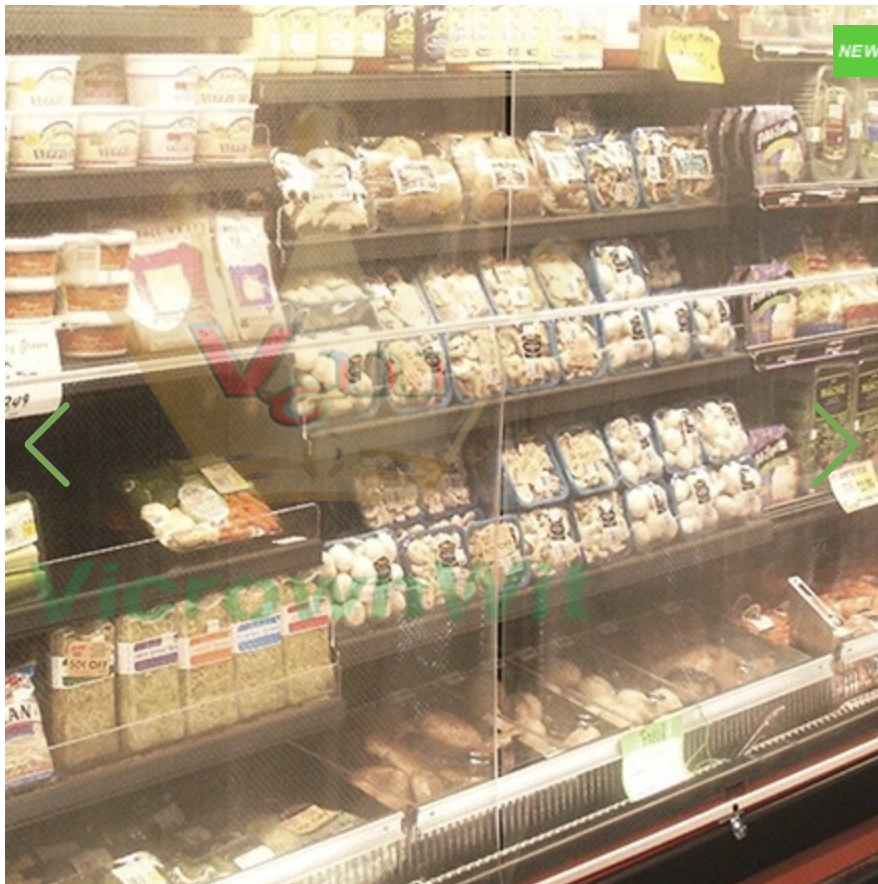
Refrigeration night blinds and glass doors both aim to reduce energy loss in refrigerated display cases, but they differ significantly in function and benefits. Glass doors provide a physical barrier that keeps cold air inside during business hours, but they can limit shopper access and reduce impulse purchases. They also require regular cleaning to maintain visibility and can be costly to install and maintain.
Night blinds, on the other hand, are used only during non-business hours to cover open display cases. They do not interfere with customer access during the day, preserving the open display appeal that encourages product interaction and sales. Night blinds are lightweight, easy to operate, and can be retrofitted to existing open cases without major modifications. Unlike glass doors, they do not obstruct the view when rolled up, maintaining an attractive, open shopping environment.
When comparing costs, night blinds generally offer a more affordable solution than glass doors. The initial investment for night blinds is lower due to simpler materials and installation requirements. Retailers often see a faster return on investment because night blinds reduce energy consumption by up to 40% during closed hours, leading to significant utility savings.
Glass doors require higher upfront costs and ongoing maintenance expenses, such as replacing seals and cleaning glass surfaces. While they provide energy savings during operating hours, they do not address energy loss when the store is closed. Night blinds complement existing refrigeration systems by targeting energy waste during the most critical time: overnight.
Performance-wise, night blinds excel in overnight energy conservation. Independent studies show that pulling down night blinds can reduce compressor run time and energy use significantly, sometimes by as much as 40%. They also help maintain consistent internal temperatures, extending product shelf life by protecting goods from heat and UV exposure.
Glass doors provide continuous insulation but may not be as effective in preventing condensation or heat gain during off-hours. They can also increase refrigeration system strain if left open or poorly sealed.
In summary, night blinds offer a practical, cost-efficient, and high-performing solution for energy savings during non-business hours, while glass doors serve better for daytime energy control and product protection.
Tip: Consider installing refrigeration night blinds as a cost-effective complement or alternative to glass doors to maximize energy savings without compromising customer access or display aesthetics.
Refrigeration night blinds offer significant benefits, including energy savings, extended product shelf life, and reduced environmental impact. These blinds act as thermal barriers, minimizing compressor workload and lowering utility costs. Their reflective, breathable fabric protects goods from heat and UV radiation, preserving freshness. Implementing refrigeration night blinds is a cost-effective strategy for retailers to enhance sustainability and profitability. Hangzhou VWIN Technology Co., Ltd. provides durable, high-quality blinds that deliver lasting value and support efficient retail operations.
A: A Refrigeration Night Blind is a thermal barrier used on open refrigerated display cases to reduce cold air escape during non-business hours, improving energy efficiency.
A: Refrigeration Night Blinds save energy by trapping cold air inside display cases, reducing the workload on compressors, which lowers electricity use and utility bills.
A: Use Refrigeration Night Blinds to extend product shelf life, reduce energy costs, and improve sustainability by minimizing energy waste and carbon emissions.
A: Yes, Refrigeration Night Blinds are cost-effective, offering significant energy savings and a fast return on investment compared to other solutions like glass doors.


