
close
Choose Your Site
Global
Social Media


Views: 0 Author: Site Editor Publish Time: 2026-02-02 Origin: Site


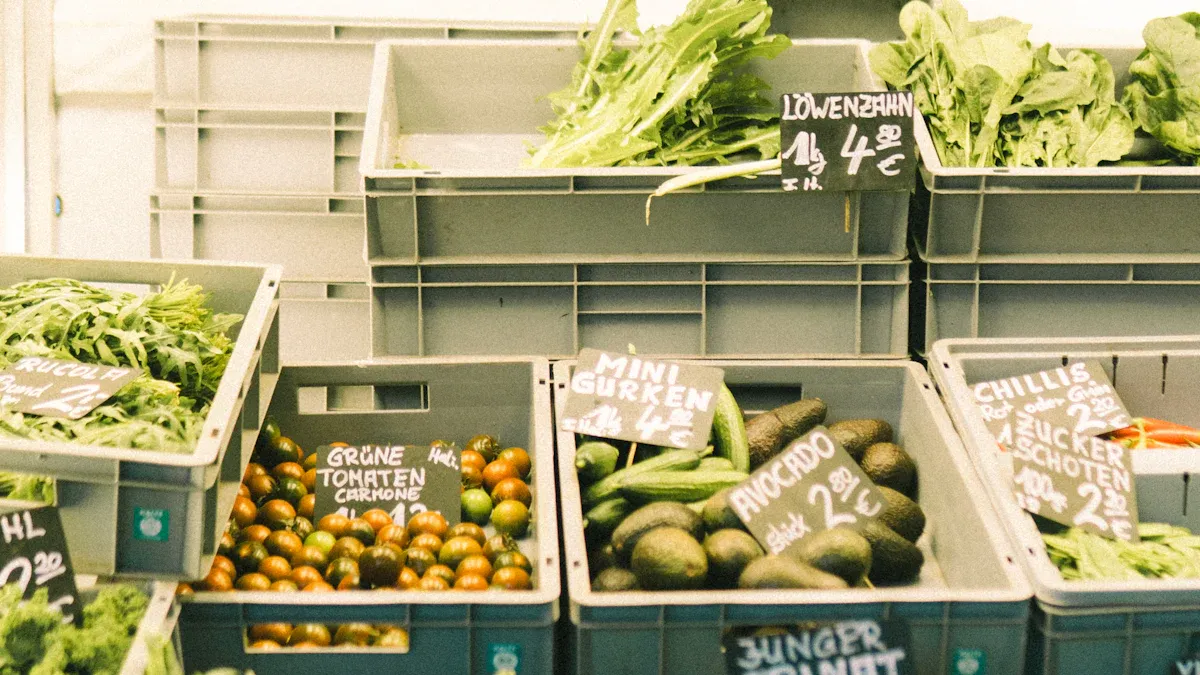
You need a night cover if you want to keep food safe in your restaurant. Night covers shield food from contamination, so you protect every dish you serve. In a busy restaurant, food stays fresher and safer when you use a night cover. Food quality improves, and you avoid costly waste. Restaurant staff find it easy to use night covers, and customers enjoy better food. You boost food safety in your restaurant with this simple solution.
Night covers protect food from dust, pests, and airborne particles, ensuring safer and fresher dishes.
Using night covers helps restaurants comply with health codes, avoiding fines and maintaining a strong reputation.
Night covers improve temperature control, reducing energy costs and preventing spoilage by keeping cold air in.
Covering food with night covers retains moisture, preserving texture and flavor, which enhances customer satisfaction.
Regular use of night covers minimizes food waste by extending shelf life and reducing spoilage, saving money.
Choose the right material and size for night covers to ensure effective protection and ease of use in your restaurant.
Train staff on proper night cover usage and maintenance to support safe food handling and sanitation practices.
Incorporate night covers into daily routines to boost food safety and improve overall restaurant efficiency.

You protect food from dust and debris every night when you use a night cover. In a busy restaurant, airborne particles settle on exposed food and increase contamination. Night covers act as shields and block these particles. You create a cleaner environment and support safe food handling. Unlike bug zappers, which can release harmful particles into the air, night covers serve as a physical barrier. You eliminate the risk of airborne contamination and keep food safe for customers.
You stop pests from reaching food with a night cover. Flies, insects, and rodents carry bacteria and spread contamination. When you cover food, you prevent pests from landing and transferring bacteria. You maintain safe restaurant practices and reduce the risk of foodborne illnesses. Night covers help you follow food handling procedures and keep food fresh overnight. You support sanitation and make sure food stays safe for serving.
You meet food safety standards when you use night covers in your restaurant. Health codes require you to protect food from contamination and maintain proper temperature. Night covers help you comply with these regulations. You show inspectors that you follow safe food handling and sanitation rules. You avoid fines and keep your restaurant reputation strong.
You support safety programs by using night covers every day. Staff learn to cover food as part of safe restaurant practices. You train your team to use night covers and follow food handling procedures. You build a culture of safety and sanitation. Night covers make it easy for everyone to protect food and reduce contamination. You improve food safety and keep customers healthy.
Tip: Make night covers part of your daily routine. You boost food safety and support safe restaurant practices with this simple step.
| Night Cover Benefits | How You Support Safe Food Handling |
|---|---|
| Blocks dust | Keeps food clean |
| Stops pests | Prevents bacteria transfer |
| Meets regulations | Shows compliance |
| Supports programs | Trains staff in safety |
You use night covers to prevent contamination, meet food safety standards, and support safe restaurant practices. You keep food safe, fresh, and ready to serve.
You need strong temperature control in your restaurant to keep food safe and fresh. Night covers help you manage temperature in cold storage units and display cases. You protect food from bacteria and spoilage when you keep temperature steady. You also lower energy costs and reduce stress on your equipment.
You face rising ambient heat every time your restaurant closes for the night. Warm air tries to enter your cold storage units. Night covers act as a barrier and slow down this process. You keep cold air inside and block warm air from entering. This helps you maintain the right temperature for food safety. Studies show that night covers can reduce infiltration rates by 60–80%. You see fewer temperature spikes and less risk of bacteria growth. You also notice that your food stays at a safer temperature overnight.
You also need to shield food from light. Light can raise temperature inside display cases and cold storage units. Night covers block light and help you keep temperature low. You prevent food from warming up and reduce the chance of spoilage. You also protect food from changes in texture and color. This keeps your restaurant food looking and tasting fresh for customers.
You save energy when you use night covers. They keep cold air in and warm air out, so your refrigeration units do not work as hard. You see fewer compressor cycles and less wear on your equipment. Night covers can reduce energy costs by 37% to 50% per hour during non-business hours. This means you pay less for electricity each month. You also help the environment by using less energy.
| Energy Savings Range | Annual Impact on Costs |
|---|---|
| 37% | Significant savings |
| 50% | Substantial savings |
You lower your monthly bills and extend the life of your restaurant equipment. You also reduce the need for repairs and maintenance.
You need consistent temperature to keep food safe from bacteria. Night covers help you avoid temperature swings that can lead to spoilage. You keep food at the right temperature all night. This reduces the risk of bacteria growth and keeps food safe for your customers. You also see better temperature recovery in the morning, so your restaurant can serve food faster and safer.
Note: Some temperature variation can be tolerated without harming food quality, especially for frozen products like French fries. The benefits of temperature control with night covers often outweigh minor fluctuations.
| Findings | Implications |
|---|---|
| Quality of frozen products subject to temperature fluctuations is generally acceptable | Indicates that some temperature variation can be tolerated without significant quality loss |
| Economic and sustainability benefits of 'Night Wind' technology | Suggests that the advantages may outweigh quality concerns for certain products, especially French fries |
| Demonstrated success at Partner Logistics BV | Shows practical application and profitability of the technology in managing temperature fluctuations effectively |
You improve food quality and safety with better temperature control. You also support sustainability and save money for your restaurant.
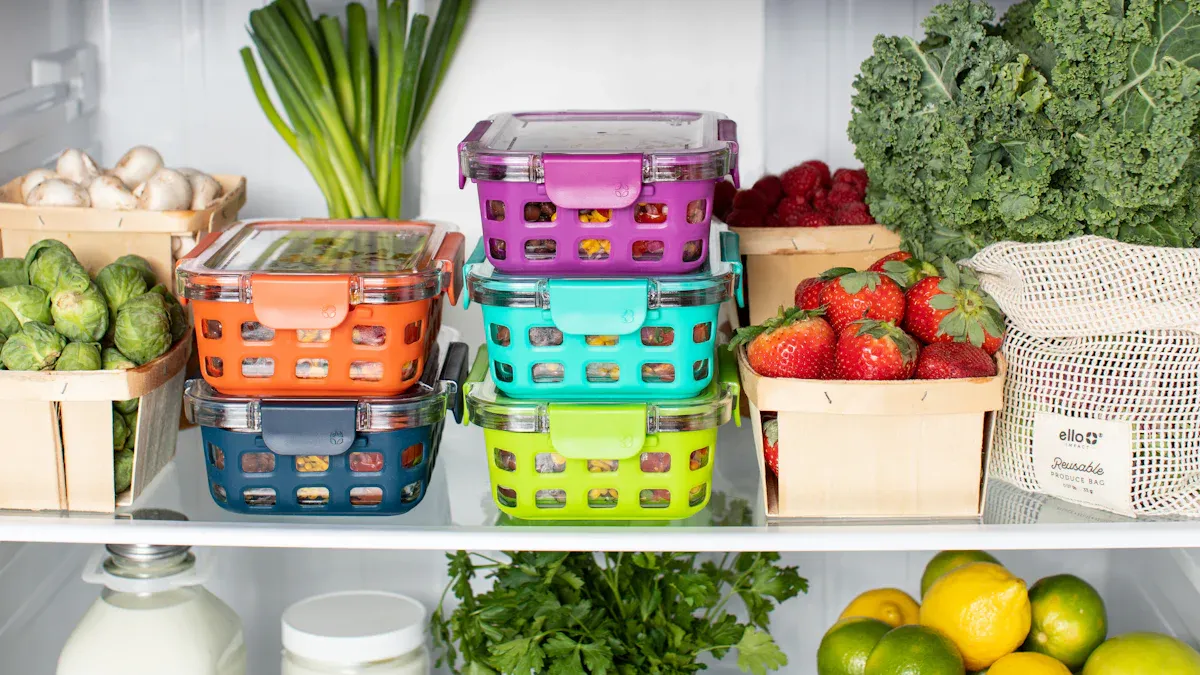
You keep food fresh in your restaurant by using a night cover during storage. When you leave fresh meat exposed, moisture escapes and the surface dries out. Dry-out changes the texture and makes food less appealing. You prevent this problem by covering food with proper packaging and a night cover. You lock in moisture and maintain the quality of fresh meat. You also reduce contamination from airborne particles. Your restaurant benefits because food stays juicy and fresh for customers.
You protect the texture and appearance of fresh meat when you use a night cover in storage. Food loses its natural look if it dries out or absorbs unwanted moisture. You avoid this by using proper packaging and covering food every night. Your restaurant displays food that looks appetizing and fresh. Customers notice the difference in texture and color. You also lower the risk of contamination, which helps you serve safe food every day.
Tip: Always check that your night cover fits tightly over food and packaging. You improve moisture retention and keep food fresh longer.
You reduce cross-contamination in your restaurant by covering food during storage. When you store fresh meat next to other food, odors and flavors can transfer. This leads to contamination and changes the taste of food. You stop this problem by using a night cover and proper packaging. You separate fresh meat from other food and block unwanted odors. You also prevent bacteria from spreading, which keeps food safe for your customers.
You lower the risk of cross-contamination by:
Using a night cover every night.
Keeping fresh meat in proper packaging.
Storing food in separate areas.
You preserve the original taste of fresh meat and other food by using a night cover in your restaurant. Food absorbs odors from the environment if you leave it uncovered. You avoid flavor loss and contamination by covering food and using proper packaging. Your restaurant serves food that tastes fresh and natural. Customers enjoy the true flavor of fresh meat and other dishes. You build a reputation for quality and safety.
| Benefit | How Night Cover Helps |
|---|---|
| Maintains moisture | Prevents dry-out |
| Protects texture | Keeps food looking fresh |
| Blocks odors | Reduces cross-contamination |
| Preserves taste | Keeps original flavor |
You support food safety and quality in your restaurant by using a night cover for storage. You keep food fresh, prevent contamination, and deliver better meals to your customers.
You extend the shelf life of food in your restaurant by limiting air exposure. Night covers act as physical barriers that keep cold air inside display cases and storage units. When you use a night cover, you prevent warm air from entering and reduce the risk of spoilage. Stable temperatures help you maintain the freshness of produce, dairy, and meats. You also block ambient heat and light, which can speed up spoilage. During a power outage in Arizona, night covers kept product temperatures from rising more than one degree, even when outside temperatures reached 115 °F. This resulted in zero spoilage and protected your food investment.
Night covers maintain stable temperatures.
They reduce exposure to ambient heat and light.
You prevent dehydration and oxidation in food.
You keep food fresh for longer periods.
You slow microbial growth in your restaurant by using night covers every night. Bacteria and mold thrive when food sits in fluctuating temperatures or open air. Night covers stabilize the environment and limit the conditions that encourage microbial growth. You also reduce cross-contamination by keeping food separated and covered. Proper packaging combined with night covers creates a double layer of protection. You lower the risk of foodborne illness and keep your restaurant safe for customers.
Tip: Always pair night covers with secure packaging to maximize protection against cross-contamination and spoilage.
You save money in your restaurant by reducing food waste with night covers. When you keep food fresh and slow spoilage, you throw away less product. Night covers act as thermal barriers, which means your refrigeration units use less energy. You see lower electricity bills and fewer compressor cycles. By extending the shelf life of perishable goods, you avoid costly shrinkage and improve product quality for the next sales day.
| Benefit | Impact on Restaurant |
|---|---|
| Less spoilage | Lower food waste |
| Reduced energy use | Lower utility costs |
| Longer shelf life | Better product quality |
You improve inventory management in your restaurant by using night covers. When food stays fresh longer, you plan purchases more accurately and avoid overstocking. Night covers help you maintain optimal conditions for all types of food, including produce, dairy, and meats. You reduce cross-contamination by keeping food covered and separated. You also support sustainability by minimizing waste and lowering greenhouse gas emissions through reduced energy usage.
Night covers help you align with global sustainability initiatives.
You keep food safe and fresh for customers.
You build a reputation for responsible restaurant management.
Note: Consistent use of night covers and proper packaging helps you reduce cross-contamination, save on costs, and manage inventory more effectively.
Selecting the right night cover for your restaurant helps you protect food and maintain high standards. You need to consider both material and sizing to get the best results for your food storage and display cases.
You want a night cover that lasts and performs well in your restaurant. The material you choose affects how long the cover will protect food and how easy it is to clean. Different materials offer unique benefits for food safety and restaurant operations.
You see plastic and vinyl night covers in many restaurants. Plastic covers are lightweight and easy to handle. Vinyl covers provide flexibility and resist tearing. Both options help you shield food from contaminants and keep storage areas clean. You should match the material to your restaurant’s needs and the type of food you store.
Soft guards work best for light grinding but wear out quickly.
Hard acrylic guards offer strong durability and can last for years in a busy restaurant.
Hybrid (dual-laminate) guards balance comfort and strength, making them a smart choice for restaurants that need reliable protection for food.
You need a night cover that you can clean and reuse. Regular cleaning keeps food safe and supports sanitation in your restaurant. Choose covers that resist stains and odors. You save money by reusing durable covers instead of replacing them often. Cleaning instructions usually come with the product, so follow them to maintain food safety.
You must select the right size night cover for your food storage and display cases. A proper fit ensures full coverage and keeps food protected in your restaurant.
You measure your display cases before buying a night cover. Covers that fit tightly keep cool air inside and block contaminants. You avoid gaps that let warm air or pests reach food. Restaurants with custom-sized cases need covers designed for their specific storage units.
| Purpose of Night Covers | Benefits |
|---|---|
| Keeps cool air in | Saves energy |
| Deters thievery | Protects food during non-operating hours |
You check that your night cover covers all exposed food and storage areas. Full coverage prevents contamination and keeps food fresh in your restaurant. You look for covers with secure edges and strong materials. Covers that slip or leave gaps reduce protection and increase risk for food spoilage.
Note: Always inspect your night cover for damage or wear. Replace covers that no longer provide full protection for food in your restaurant.
You improve food safety and efficiency in your restaurant by choosing the right night cover. You protect food, save energy, and support your team’s efforts to maintain high standards.
You keep your restaurant running smoothly when you follow best practices for night cover use. You protect food, support safe food handling, and maintain safe restaurant practices every day. You also help your team follow food handling procedures and keep food safe for customers.
You must clean night covers often to support safe food handling and sanitation. Wipe and sanitize surfaces throughout the shift, especially after handling raw food. This habit keeps food safe and supports safe restaurant practices. Change sanitizer buckets every 2-4 hours and test the concentration with strips. You also need to clean cooking equipment and empty trash cans as part of your end-of-day closing tasks. Wash and sanitize both the inside and outside of trash cans to prevent contamination.
| Cleaning Task | Frequency | Notes |
|---|---|---|
| Wipe and Sanitize Surfaces | Throughout the Shift | Clean after each use, especially after raw food handling. |
| Change Sanitizer Buckets | Every 2-4 hours | Test concentration with test strips. |
| Clean Cooking Equipment | End-of-Day Closing Tasks | Includes griddles, grills, and fryers. |
| Empty and Sanitize Trash Cans | End-of-Day Closing Tasks | Wash and sanitize both interior and exterior. |
Tip: Store cleaning chemicals away from food and utensils. Always use gloves and eye protection when handling chemicals to support safe food handling and sanitation.
You need to inspect night covers often to maintain safe food handling and safe restaurant practices. Look for cracks, tears, or signs of wear. Replace damaged covers right away to keep food protected. If you notice any issues, such as image problems or instability, inspect the cover immediately. Regular checks help you avoid contamination and keep your restaurant in line with safe food handling standards.
Inspect night covers at least every 180 days.
Check for damage after any impact or if you notice performance issues.
Replace covers that no longer provide full protection for food.
You train your staff to use night covers as part of safe food handling and safe restaurant practices. Teach them to cover food after each use and to follow cleaning routines. Show them how to fit covers tightly to prevent gaps. Staff should always wash hands before and after handling night covers. You also remind your team to store covers in a clean, dry place to support sanitation.
Train staff to wipe and sanitize covers after each use.
Teach proper storage and handling to avoid contamination.
Review safe food handling steps during regular meetings.
You monitor staff to ensure they follow safe food handling and safe restaurant practices. Set up regular checks to confirm that night covers are clean, undamaged, and used correctly. Use checklists to track cleaning and inspection tasks. Give feedback and retrain staff if you notice mistakes. You keep your restaurant safe by making sure everyone follows food handling procedures.
Note: Consistent staff training and monitoring help you maintain high standards for safe food handling and sanitation in your restaurant.
You build a strong culture of safe restaurant practices when you focus on cleaning, maintenance, and staff training. You keep food safe, support safe food handling, and protect your restaurant’s reputation every day.
You may wonder if night covers truly improve safety in your restaurant. Night covers create a strong barrier that supports safe food handling every night. You block dust, pests, and airborne particles from reaching food. You also help your team follow safe restaurant practices by making it easy to cover food after each shift. When you use night covers, you reduce the risk of contamination and keep food safe for customers. You see fewer incidents of spoilage and cross-contamination. Night covers help you meet safety standards and support safe food handling in every part of your restaurant.
Night covers work best when you combine them with proper packaging and regular cleaning. You build a culture of safe restaurant practices and keep food protected.
You want to know if night covers are worth the investment for your restaurant. Night covers help you save money by reducing food waste and lowering energy costs. U.S. restaurants lose $160B to food waste every year. You can cut waste by 30–40% when you use tools like AI demand forecasting and night covers together. You stabilize margins and optimize labor, which leads to cost savings. You measure return on investment by tracking how much food you save and how much you spend on energy. When you see less waste and lower bills, you know your investment in night covers supports safe food handling and safe restaurant practices.
Night covers help you:
Reduce food waste
Lower energy use
Improve safety
Support safe food handling
| Investment Benefit | Impact on Restaurant |
|---|---|
| Less food waste | Higher profits |
| Lower energy bills | More savings |
| Improved safety | Strong reputation |
You may face resistance when you introduce night covers in your restaurant. Staff might think night covers add extra work or slow down closing routines. You overcome this by showing how night covers make safe food handling easier and protect food overnight. You train your team to use night covers as part of safe restaurant practices. You explain that night covers help keep food safe and fresh, which benefits everyone. When staff see fewer incidents of spoilage and contamination, they understand the value of night covers.
Tip: Encourage staff to share feedback and suggest improvements. You build teamwork and support safe food handling in your restaurant.
You address concerns by focusing on safety, value, and teamwork. Night covers help you protect food, save money, and build a culture of safe restaurant practices.
You see how a night cover helps your restaurant protect food and improve food safety. You keep food fresh and safe every night. You lower waste and save money for your restaurant. You meet health standards and serve fresh food to every customer. You make your restaurant a leader in safety and quality. You should use night covers in your restaurant to keep food fresh and safe.
Tip: Start using night covers today to keep food fresh and support food safety in your restaurant.
A night cover is a protective shield you place over food in display cases or storage units. You use it to block dust, pests, and warm air, keeping food safe and fresh overnight.
You should clean night covers daily. Wipe and sanitize them after each use to prevent contamination. Regular cleaning helps you maintain food safety and meet health standards.
Yes! Night covers help you save energy by keeping cold air inside and reducing compressor cycles. You see lower electricity bills and less wear on your refrigeration equipment.
You can reuse most night covers if you clean them properly. Choose durable materials like vinyl or hard acrylic for longer use. Always inspect covers for damage before each use.
Many health codes recommend or require you to protect food from contamination. Using night covers helps you comply with these regulations and shows inspectors you follow safe food handling practices.
You find reliable night covers at trusted suppliers. They offer durable covers that help you keep food safe and fresh.


