
close
Choose Your Site
Global
Social Media


Views: 0 Author: Site Editor Publish Time: 2025-10-19 Origin: Site


Ever wondered what makes aluminum foil rolls indispensable in kitchens worldwide? These thin sheets have a rich history and versatile uses. From cooking to insulation, their importance spans generations. In this post, you'll learn about their manufacturing, types, and everyday applications. Discover why aluminum foil remains a household staple.
Aluminum foil rolls start with raw aluminum, usually sourced from bauxite ore. This ore undergoes refining to produce pure aluminum metal. The metal is then cast into large slabs called ingots. These ingots form the base material for foil production.
The ingots are heated and passed through rolling mills multiple times. Each pass reduces thickness, transforming thick slabs into thin sheets. The rolling process continues until the aluminum reaches the desired foil thickness, often less than 0.2 millimeters. To maintain uniform thickness and smooth surfaces, the foil is rolled between polished steel rollers.
After rolling, the foil undergoes annealing—controlled heating and cooling—to improve flexibility and strength. This step removes internal stresses caused by rolling. The foil may then be treated with surface finishes, such as non-stick coatings, depending on its intended use. Finally, the foil is wound into large rolls, ready for cutting and packaging.
Note: Precise control during rolling and annealing ensures consistent foil quality, vital for applications requiring durability and flexibility.
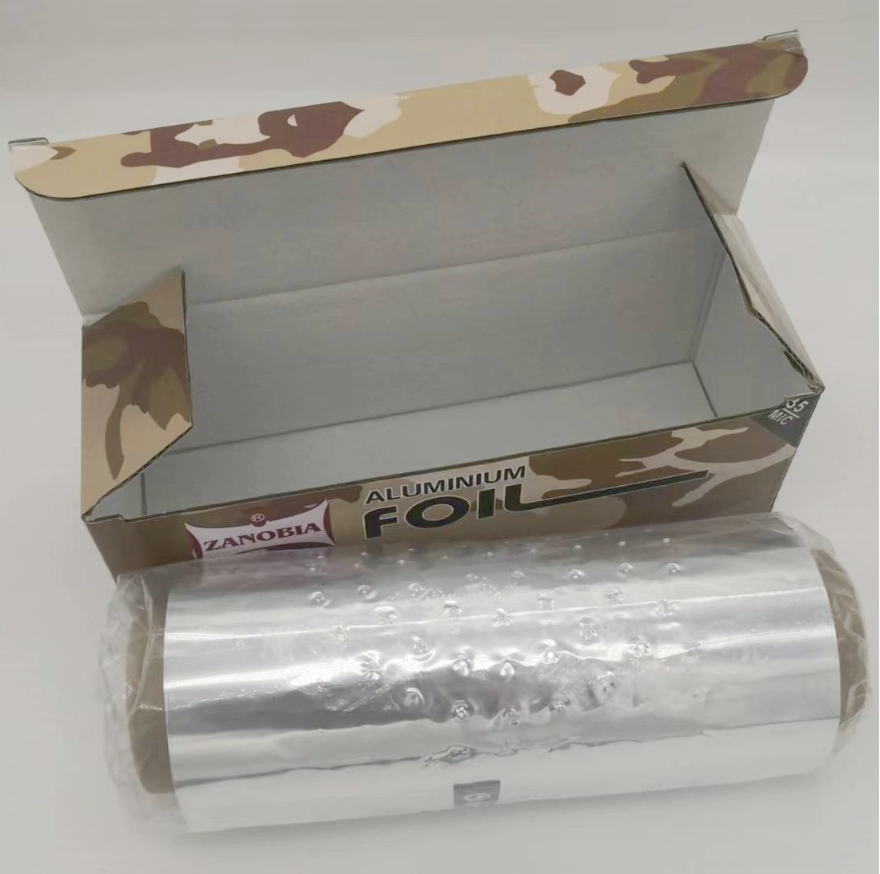
Aluminum foil rolls come in various types, each designed to meet specific needs. Understanding these types helps you choose the right foil for your application, whether for cooking, packaging, or industrial use.
Standard aluminum foil is the most common type found in kitchens and industries. It typically has a thickness ranging from 0.016 mm to 0.024 mm. This foil is lightweight and flexible, making it ideal for everyday tasks like wrapping food, covering dishes, and lining baking trays. It provides an effective barrier against moisture, light, and odors, helping preserve food freshness.
Standard foil is easy to tear by hand and can be molded around objects of different shapes. It’s also recyclable, which supports environmental efforts when disposed of properly.
Heavy duty aluminum foil is thicker and stronger than standard foil, usually twice the thickness or more. This type is designed for tougher tasks requiring extra durability. It resists tearing and punctures better, making it suitable for grilling, roasting, and wrapping heavy or sharp-edged foods.
Because of its strength, heavy duty foil can also be used in industrial applications like insulation, packaging of heavy goods, or even as a protective shield in construction. Its enhanced durability allows it to withstand higher temperatures and rough handling.
Non-stick aluminum foil features a special coating on one side that prevents food from sticking during cooking or baking. This type is perfect for delicate foods like fish, pastries, or sticky sauces. The non-stick surface makes cleanup easier and helps maintain the appearance and texture of cooked items.
Non-stick foil is often used in commercial kitchens and food service because it improves efficiency and reduces waste. However, it tends to be slightly more expensive than standard foil due to the additional coating process.
Tip: When selecting aluminum foil rolls for your business, consider the specific application and required durability to optimize cost and performance—heavy duty foil suits industrial uses, while non-stick foil benefits food service operations.
Aluminum foil rolls are essential in kitchens for cooking and baking. Their heat conductivity helps distribute heat evenly, making them perfect for wrapping foods like vegetables, fish, or meats before baking or grilling. Wrapping food in foil locks in moisture, preventing drying out during cooking. It also helps food cook faster and more evenly.
Foil can line baking sheets or pans, making cleanup easier by preventing food from sticking or spilling over. It also shields food from direct heat, reducing the risk of burning. For grilling, foil acts as a barrier that keeps juices inside, enhancing flavor and tenderness.
One of the most common uses of aluminum foil rolls is food storage. The foil’s barrier properties block light, oxygen, and moisture, all of which can cause food spoilage. Wrapping leftovers or raw ingredients in foil helps maintain freshness and prevents odors from mixing in the refrigerator or freezer.
Foil can be molded tightly around irregularly shaped items, providing a secure seal. It’s also used to cover dishes or bowls without lids, protecting food from contamination. In freezing, foil prevents freezer burn by limiting exposure to air.
Aluminum foil’s reflective surface makes it useful for insulation and heat reflection. It reflects radiant heat, which helps keep hot foods warm longer or protects cold foods from warming quickly. This property is valuable in packaging, such as thermal wraps or insulated bags.
In industrial or construction settings, foil rolls serve as radiant barriers in walls, roofs, or ducts. They reduce heat transfer, improving energy efficiency. This use extends beyond kitchens, showing aluminum foil’s versatility.
Tip: For food businesses, using heavy duty aluminum foil rolls for cooking and storage ensures durability and better protection, minimizing product loss and maintaining quality.
Aluminum foil rolls are known for their impressive durability and strength. Despite their thinness, aluminum foil resists tearing and puncturing better than many other materials used for wrapping or packaging. This strength comes from the manufacturing process, including rolling and annealing, which enhances the foil’s flexibility and toughness. Heavy duty aluminum foil, in particular, provides extra robustness, making it ideal for wrapping sharp-edged or heavy foods without ripping. This durability ensures the foil protects contents effectively, whether during cooking, storage, or transport.
One of the biggest advantages of aluminum foil rolls is their versatility. They serve many purposes across different industries and daily life. In kitchens, foil wraps food for cooking, baking, and grilling, thanks to its heat conductivity and moisture retention. In food storage, it blocks light, oxygen, and moisture to keep food fresh and odor-free. Beyond food, aluminum foil acts as an insulation material, reflecting heat in construction or packaging. It also finds use in arts, crafts, and even electronics shielding. This wide range of applications makes aluminum foil a go-to material for both consumers and businesses.
Aluminum foil rolls offer great value for money. They are relatively inexpensive to produce and purchase, especially when bought in bulk rolls. Their ability to be easily shaped and reused reduces waste and lowers costs over time. Heavy duty and non-stick foils, though pricier, provide added benefits that can save money by preventing food spoilage or reducing cleanup time. Additionally, aluminum foil’s recyclability supports sustainability efforts, which can contribute to cost savings in waste management. Overall, the combination of affordability, durability, and multi-use capability makes aluminum foil rolls a cost-effective solution for many needs.
Tip: Choose the right type of aluminum foil roll—standard, heavy duty, or non-stick—to balance durability and cost for your specific business application.
Aluminum foil rolls are recyclable, which supports environmental sustainability. Recycling aluminum saves up to 95% of the energy needed to produce new aluminum from raw materials. Many recycling programs accept aluminum foil, but it must be clean and free of food residue to avoid contamination. Proper recycling helps reduce landfill waste and lowers the demand for bauxite mining, which can harm ecosystems. However, foil contaminated with food or coatings may not be recyclable, so cleaning before disposal is crucial.
Sustainability efforts also focus on reducing foil thickness without compromising strength, minimizing material use. Manufacturers increasingly use recycled aluminum content in new foil production, further reducing environmental impact. Choosing foil made from recycled aluminum supports circular economy principles and reduces carbon footprint.
Producing aluminum foil rolls requires significant energy, especially during bauxite refining and aluminum smelting. These processes emit greenhouse gases and consume large electricity amounts. The rolling and annealing stages also use energy but less compared to raw metal production. Energy consumption varies by production method and energy source; facilities using renewable energy reduce environmental impact.
Despite high initial energy use, the lightweight nature of aluminum foil reduces transportation emissions compared to heavier packaging materials. Also, aluminum foil’s durability and reusability contribute to energy savings over its lifecycle. Still, efforts to improve energy efficiency in production remain critical for lowering overall environmental footprint.
Several alternatives to aluminum foil exist, offering different environmental profiles and uses:
● Wax Paper: Biodegradable and recyclable, wax paper is good for wrapping foods but lacks heat resistance and barrier properties.
● Parchment Paper: Often compostable, parchment paper withstands heat but does not provide a moisture barrier like foil.
● Silicone Baking Mats: Reusable and durable, these mats reduce waste but are not suitable for all wrapping needs.
● Beeswax Wraps: Natural and reusable, beeswax wraps are eco-friendly but less heat resistant and not ideal for high-temperature cooking.
● Plastic Wrap: While versatile, plastic wrap is less environmentally friendly due to limited recyclability and fossil fuel use.
Choosing alternatives depends on specific needs, such as cooking method, storage, and environmental priorities. Combining aluminum foil recycling with alternative materials can optimize sustainability.
Tip: Encourage businesses to implement aluminum foil recycling programs and select foil products with high recycled content to reduce environmental impact and support sustainability goals.
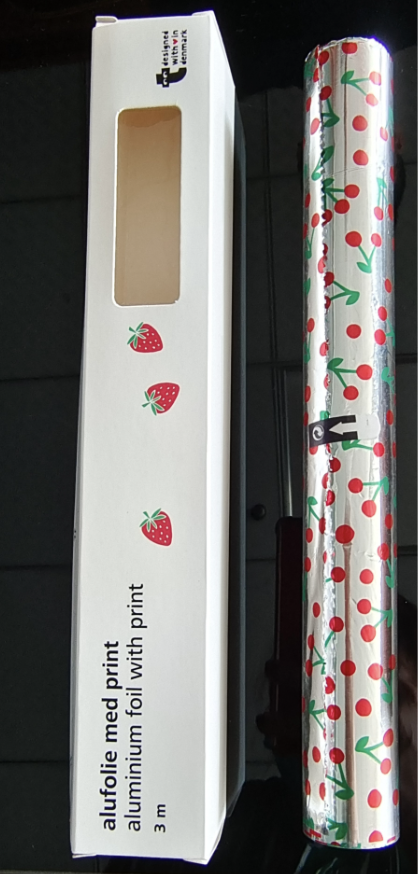
Food sticking to aluminum foil can be frustrating. To avoid this, use non-stick aluminum foil for sticky or delicate foods like fish, pastries, or marinated items. If non-stick foil isn't available, lightly brush the foil with oil or cooking spray before placing food on it. Another trick is to place a layer of parchment paper between the food and the foil. This simple step helps keep food intact and makes cleanup easier.
Aluminum foil reflects heat and light, making it a great insulator. To maximize this, wrap food tightly to minimize air gaps, which can reduce insulation efficiency. For keeping foods warm, fold the foil several times to create thicker layers, enhancing heat retention. When using foil for insulation in industrial or construction settings, ensure the foil surface faces the heat source to reflect radiant heat effectively. Avoid crumpling the foil too much, as smooth surfaces reflect heat better.
Handle aluminum foil carefully to avoid tears or punctures. Store foil rolls in a cool, dry place to prevent moisture damage or contamination. Keep the foil covered or in its original box to protect it from dust and dirt. When cutting foil, use the serrated edge on the box for clean cuts and to avoid jagged edges that can cause injuries. Dispose of used foil properly, especially if it has food residue, to maintain hygiene and support recycling efforts.
Tip: For businesses, training staff on proper foil use and storage reduces waste, improves food safety, and enhances product presentation.
Aluminum foil rolls are versatile, durable, and cost-effective, serving various applications from cooking to industrial uses. Future trends may focus on enhancing recyclability and energy efficiency in production. When choosing aluminum foil, consider specific needs—standard, heavy-duty, or non-stick—to optimize performance and sustainability. Hangzhou VWIN Technology Co., Ltd. offers high-quality aluminum foil products that provide excellent value, combining strength, versatility, and environmental benefits to meet diverse customer requirements effectively.
A: Aluminum Foil Rolls are thin sheets of aluminum, rolled into large coils, used for cooking, packaging, and industrial applications due to their durability and versatility.
A: Aluminum Foil Rolls are used in cooking to wrap foods, distribute heat evenly, and lock in moisture, enhancing flavor and preventing food from drying out.
A: Heavy Duty Aluminum Foil Rolls offer extra durability, resisting tearing and punctures, ideal for grilling, roasting, and industrial uses requiring strength.
A: The cost of Aluminum Foil Rolls varies based on type and thickness, with standard foil being more affordable, while heavy duty and non-stick options may cost more.
A: Benefits include durability, versatility in applications, and cost-effectiveness, making them ideal for cooking, storage, and insulation.
A: Aluminum Foil Rolls offer superior heat resistance and barrier properties compared to alternatives like wax or parchment paper, but alternatives may be more eco-friendly.
A: Use non-stick Aluminum Foil Rolls or apply oil to regular foil before placing food on it to prevent sticking and ease cleanup.


