
close
Choose Your Site
Global
Social Media


Views: 0 Author: Site Editor Publish Time: 2025-10-30 Origin: Site


Ever wondered why aluminum foil rolls are a kitchen staple? These versatile sheets have been around since the early 1900s, offering convenience in food preparation and storage. Made from thin aluminum, they provide excellent heat conductivity and barrier properties. In this post, you'll learn about their history, composition, and diverse uses in daily life.
Aluminum foil rolls come in various types, each designed to meet different needs in kitchens, households, and industries. Understanding these types helps you choose the right foil for your specific use.
Standard aluminum foil is the most common type found in homes. It’s thin, flexible, and perfect for everyday tasks like wrapping sandwiches, covering dishes, or lining baking trays. Its thickness usually ranges from 0.01 to 0.017 millimeters, enough to protect food while being easy to tear and shape. It works well for moderate heat applications, such as baking or storing leftovers.
Heavy duty foil is thicker and stronger than standard foil, typically between 0.02 and 0.025 millimeters thick. It resists tearing and punctures better, making it ideal for heavier foods or high-heat cooking. Use it for wrapping large roasts, grilling, or lining pans that might have rough surfaces. This foil withstands higher temperatures and rough handling, making it popular among professional chefs and caterers.
Nonstick foil has a special coating that prevents food from sticking. It's perfect for cooking sticky or delicate items like fish or marinated vegetables. This type reduces mess and makes cleanup easier. Because it prevents sticking, it also helps maintain the food’s appearance and texture after cooking.
Pre-cut sheets come in convenient sizes, ready to use without tearing from a roll. They save time and reduce waste, especially in busy kitchens or catering operations. These sheets are great for wrapping individual portions, lining small trays, or covering dishes quickly.
These containers are made from thicker aluminum foil formed into pans, trays, or bowls. They are oven-safe, freezer-safe, and recyclable. Aluminum foil containers suit meal prep, takeout, and catering, offering a sturdy, disposable option for cooking and serving. Their strength and heat resistance make them versatile for many food service applications.
Aluminum foil rolls are a staple in kitchens worldwide because they help with food prep, cooking, and storage. Their flexibility, heat conductivity, and barrier properties make them ideal for many tasks. Here’s a closer look at the most common kitchen uses.
One of the simplest and most popular uses is wrapping food. Aluminum foil tightly seals leftovers, sandwiches, and snacks, keeping them fresh longer by blocking air and moisture. It also prevents odors from escaping or mixing in the fridge. For freezer storage, wrapping food first in plastic wrap then in foil helps prevent freezer burn and extends shelf life. This double layer acts as a strong barrier against moisture and odors.
Lining baking trays with foil makes cleanup easier. It protects pans from grease and food residue, preventing stubborn baked-on messes. Foil can be lightly greased to prevent sticking, especially when roasting vegetables or baking fish. It also helps distribute heat evenly across the surface, reducing hot spots that might burn food. For heavy-duty baking or grilling, heavy duty foil is preferred since it resists tearing.
Foil packets, or “en papillote,” are a clever way to cook food by sealing ingredients inside a foil pouch. This traps steam and flavors, creating moist, tender dishes. You can combine meat, fish, vegetables, herbs, and seasonings in a packet and bake or grill it. Foil packets are great for easy portion control and minimal cleanup. They also allow for gentle cooking, preserving nutrients and taste.
When baking, foil can shield food from direct heat to avoid over-browning or burning. For example, covering a pie crust or casserole halfway through baking keeps the top from getting too dark while the inside finishes cooking. You can tent foil loosely over dishes to protect delicate toppings like meringue or cheese. This technique helps achieve perfectly cooked results without sacrificing texture or appearance.
Aluminum foil rolls are not just for kitchen tasks. Their flexibility, strength, and malleability make them handy for many household uses beyond cooking. Here are some clever ways foil can help around the home.
Dull scissors or kitchen shears can be quickly sharpened using aluminum foil. Take a piece about 12 to 14 inches long and fold it several times to create multiple layers. Then, cut through the folded foil repeatedly with the dull scissors. The foil’s slight resistance helps hone the blades, restoring sharpness. This simple trick saves money by extending the life of your cutting tools.
Tarnished silverware can regain its shine with aluminum foil and a few household ingredients. Line a container with foil, shiny side up, then fill it with hot water mixed with baking soda or salt. Place the silver items in the solution, ensuring they touch the foil. After a few minutes, tarnish lifts off due to a chemical reaction, leaving silverware gleaming. Rinse and dry well afterward.
When you need a funnel but don’t have one handy, aluminum foil can come to the rescue. Tear off a sheet and shape it into a cone with a small opening at the tip. This makeshift funnel works well for pouring liquids or powders into narrow-necked containers. For better durability, use heavy-duty foil. After use, simply recycle the foil.
Aluminum foil can stabilize wobbly furniture legs by wrapping a small piece around the base, adding grip and preventing scratches on floors. Gardeners also use foil creatively: wrapping plant stems or placing shredded foil in mulch deters pests and reflects light to promote growth. This eco-friendly hack protects plants without chemicals.
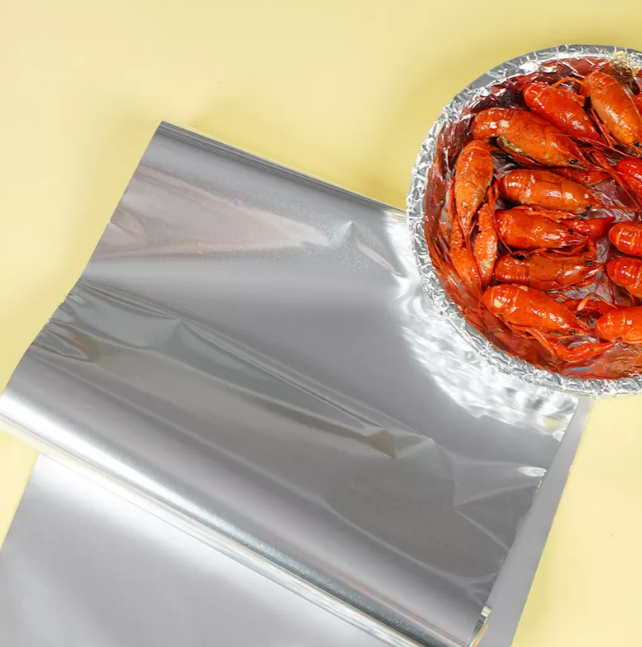
Aluminum foil rolls play a vital role beyond the kitchen. Their unique properties—lightweight, strong, heat resistant, and a great barrier against moisture and light—make them essential in various industries. Let’s explore some key industrial and commercial uses.
Pharmaceutical companies rely heavily on aluminum foil for packaging medicines. It protects pills, capsules, and powders from moisture, oxygen, and light, which can degrade active ingredients. Foil’s barrier properties extend shelf life and maintain drug efficacy. Blister packs often use aluminum foil as a backing material, sealing each dose in a hygienic, tamper-proof environment. This packaging ensures safety and compliance with strict health regulations.
In electronics, aluminum foil serves as an effective shield against electromagnetic interference (EMI). EMI can disrupt the performance of sensitive devices like smartphones, computers, and medical equipment. Wrapping cables or components in aluminum foil blocks unwanted electromagnetic waves, ensuring reliable operation. Manufacturers incorporate foil layers into circuit boards and housings to protect devices from external and internal interference. This application highlights foil’s excellent electrical conductivity and shielding capability.
The food service sector extensively uses aluminum foil rolls for cooking, packaging, and serving. Catering companies wrap large food portions in heavy-duty foil to keep meals warm during transport. Restaurants use foil containers and trays for takeout and delivery, offering convenient, disposable options that maintain food quality. Foil’s heat resistance enables reheating without transferring contents to other dishes. It also helps prevent contamination and reduces waste by providing hygienic packaging. This versatility makes aluminum foil indispensable in commercial kitchens and food distribution.
Aluminum foil is highly recyclable, which makes it an eco-friendly choice. After use, clean foil free of food residue can be recycled with other aluminum products. Because aluminum is a metal, it can be melted down and reshaped without losing quality. However, foil contaminated with food waste often cannot be recycled, so rinsing or wiping it clean before recycling is important. Many recycling centers accept foil, but it's best to check local guidelines. Recycling aluminum foil reduces the need for mining new bauxite ore, conserving natural resources.
Recycling aluminum foil uses significantly less energy than producing new aluminum from raw materials. In fact, recycling aluminum requires about 5% of the energy used to make primary aluminum. This huge energy savings also means fewer greenhouse gas emissions. The recycling process involves melting scrap aluminum and reforming it into new products, which is much simpler than extracting and refining ore. Therefore, recycling aluminum foil plays a crucial role in reducing the carbon footprint of aluminum manufacturing.
Using recycled aluminum foil helps protect the environment by conserving resources and reducing pollution. It limits landfill waste, as aluminum foil can take hundreds of years to break down naturally. Recycling also reduces the environmental damage caused by mining and refining bauxite, which can lead to habitat destruction and water pollution. Additionally, recycled aluminum supports a circular economy, where materials stay in use longer, reducing overall waste. Many manufacturers now incorporate recycled aluminum into their foil products, promoting sustainability in packaging and household use.
Many people worry about aluminum foil transferring aluminum into food during cooking. Studies show the amount transferred is very small and unlikely to cause health problems for most people. However, acidic or salty foods can increase aluminum leaching. For example, cooking tomatoes or citrus wrapped tightly in foil might cause more aluminum to migrate. Generally, using foil for wrapping or covering food during baking or storage is considered safe. The body can handle small amounts of aluminum, and dietary exposure from foil is minimal compared to other sources.
To minimize any risk, avoid cooking highly acidic or salty foods directly on aluminum foil for long periods. Instead, use parchment paper as a barrier or place the food in a dish covered with foil. Also, don't reuse foil that has come into contact with raw meat or food juices to prevent contamination. When using foil in ovens, avoid placing it directly on the oven floor, as it can cause heat buildup and damage the appliance. Use heavy-duty foil for grilling or high-heat cooking to prevent tearing and ensure better protection.
There are many myths about aluminum foil, such as it causing Alzheimer's disease or serious poisoning. These claims lack strong scientific evidence. The World Health Organization and other health bodies state that normal use of aluminum foil does not pose a health risk. Another myth is that the shiny side of the foil should always face food; in reality, both sides perform the same barrier function. The difference in appearance comes from the manufacturing process, not functionality. Understanding facts helps users safely enjoy the benefits of aluminum foil without unnecessary fear.
Aluminum foil rolls are versatile, serving kitchens, households, and industries with uses like food wrapping, baking tray lining, and EMI shielding. Their recyclability and energy efficiency offer environmental benefits. As industries evolve, foil rolls will remain vital in packaging and electronics due to their unique properties. Vwin provides high-quality aluminum foil rolls, enhancing sustainability and product performance for various applications. Choosing Vwin ensures reliable, eco-friendly solutions that meet diverse needs.
A: Aluminum Foil Rolls are commonly used for wrapping and storing food, lining baking trays, creating foil packets for cooking, and covering dishes to prevent over-browning.
A: Aluminum Foil Rolls offer heat resistance and hygienic packaging, making them ideal for cooking, packaging, and serving in the food service and catering industry.
A: Nonstick Aluminum Foil Rolls prevent food from sticking, making them ideal for cooking delicate items like fish or marinated vegetables, while reducing mess and easing cleanup.
A: Yes, Aluminum Foil Rolls are highly recyclable, provided they are clean and free of food residue, contributing to environmental sustainability by conserving resources.
A: Aluminum Foil Rolls can be used to sharpen scissors, polish silverware, make DIY funnels, and stabilize furniture and plants, showcasing their versatility beyond kitchen tasks.


