
close
Choose Your Site
Global
Social Media


Views: 0 Author: Site Editor Publish Time: 2026-03-19 Origin: Site


When it comes to industrial materials, the ability to shape and manipulate them is crucial for many applications. One common question that arises in the field of manufacturing and construction is whether reinforced aluminum can be bent. Aluminum, known for its lightweight, corrosion-resistant properties, is widely used across various industries, but how does reinforcement affect its flexibility and strength? In this article, we will explore reinforced aluminum, its composition, the science behind bending aluminum, and how it fits into real-world applications. Let’s delve into the material’s characteristics to understand how it performs under bending forces.
Before exploring the bending capabilities of reinforced aluminum, it's important to first understand what sets it apart from pure aluminum and how it’s made.
Reinforced aluminum consists of pure aluminum that has been enhanced with other materials to improve its mechanical properties. This reinforcement often involves adding stronger metals or alloys, such as copper, zinc, or magnesium, which help increase its strength and resistance to wear. The addition of these materials results in a more durable and versatile product, ideal for a wide range of industrial applications. Reinforced aluminum typically has a composite structure, where a thin layer of stronger metal is bonded to a core of pure aluminum, providing both flexibility and strength.
This process makes reinforced aluminum far more durable and resistant to damage than its pure counterpart. However, this reinforcement can also influence how the material behaves when it is subjected to bending forces.
Pure aluminum is known for its excellent flexibility, which makes it easy to bend and form into various shapes. However, pure aluminum also tends to be more prone to deformation under stress. This is where reinforced aluminum comes into play. By adding other metals or reinforcing materials, the material becomes stronger and more resistant to bending, making it better suited for structural applications where strength is a priority. While pure aluminum might be ideal for applications that require ease of shaping, reinforced aluminum offers a balance between strength, flexibility, and durability, making it ideal for demanding environments.
Aluminum's behavior when bent is influenced by various factors, including its composition, temperature, and the amount of force applied. Understanding the bending process is essential to determining how reinforced aluminum responds to shaping forces.
When pure aluminum is bent, the material stretches and compresses along different parts of the bend. This is due to aluminum’s relatively low yield strength, meaning it can deform under relatively low amounts of pressure. Pure aluminum can typically bend easily without breaking, which is why it is commonly used for lightweight applications, such as in packaging and certain construction elements.
However, pure aluminum does have its limitations. While it can be bent, it is more likely to become permanently deformed under high stress. The material lacks the rigidity needed to hold its shape under heavy loads or harsh conditions. This is where the benefits of reinforced aluminum come into play.
Reinforced aluminum, on the other hand, behaves differently when exposed to bending forces. The additional materials added during the reinforcement process increase the material's strength and rigidity, meaning it is less likely to bend easily compared to pure aluminum. The reinforcements also make the material more resilient to wear, stress, and fatigue.
However, reinforced aluminum still maintains a level of flexibility, especially when compared to other metals such as steel. The bending process for reinforced aluminum requires more force than pure aluminum, but it also maintains its shape better under pressure. This combination of flexibility and strength makes reinforced aluminum an ideal material for applications where both properties are required.
The unique properties of reinforced aluminum make it highly valuable for a wide range of industrial applications. Let’s explore the key benefits that this material brings to the table.
One of the primary advantages of reinforced aluminum is its increased strength and durability. The added materials in the reinforcement process improve the aluminum’s tensile strength, making it more resistant to deformation and wear. This added durability is especially valuable in industries that require long-lasting materials that can withstand heavy use, such as construction, automotive, and aerospace.
Reinforced aluminum also offers superior resistance to corrosion and oxidation. The reinforced materials help to protect the aluminum from moisture, which is a significant concern in industries where exposure to water or other corrosive elements is common. The material’s ability to resist oxidation makes it a reliable choice for applications that need to maintain structural integrity over long periods, even in challenging environments.
Despite its enhanced strength, reinforced aluminum remains relatively easy to work with compared to other metals like steel. Its formability makes it an excellent choice for structural applications, such as frames, panels, and enclosures. The material can be cut, shaped, and welded to fit various design requirements, offering versatility in a wide range of industrial and commercial applications.
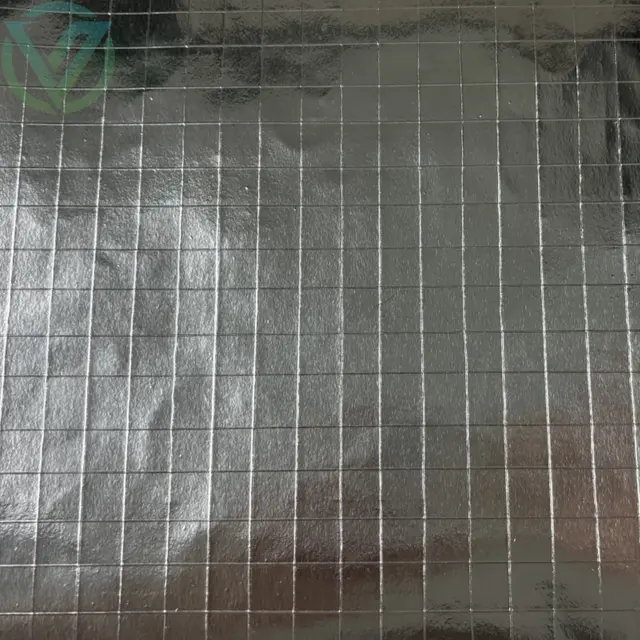
Understanding the balance between bendability and rigidity is key when working with reinforced aluminum. While this material offers more resistance to bending than pure aluminum, it still retains a certain level of flexibility.
Bending reinforced aluminum can be advantageous when working with products that require both strength and flexibility. For instance, in industries such as packaging and automotive manufacturing, reinforced aluminum can be used to create lightweight, yet strong parts that need to be formed into specific shapes without compromising structural integrity.
However, the bending process must be carefully controlled to avoid over-stretching the material. Over-bending can result in cracks or permanent deformation, which compromises the strength and functionality of the material.
It’s important to understand the limits of reinforced aluminum when it comes to bending. While the material is flexible, excessive bending beyond its safe limits can cause it to fail. Over-bending can lead to material fatigue, which compromises its structural integrity. This is why manufacturers must carefully calculate the bend radius and force required to shape reinforced aluminum without risking damage.
The unique properties of reinforced aluminum make it ideal for a variety of applications where bending and forming are required. Let’s explore some of the most common uses for this versatile material.
One of the most popular uses for reinforced aluminum is in packaging, especially in the food and beverage industry. The material’s ability to bend while maintaining strength makes it perfect for creating wraps, containers, and other packaging solutions that need to withstand stress and protect contents from external factors. Additionally, the material's resistance to moisture and corrosion ensures that products remain fresh for longer.
In construction and manufacturing, reinforced aluminum is often used for structural sealing and joining. The material’s ability to bend and conform to different shapes makes it ideal for creating seals around windows, doors, and other structures. Its durability ensures that the seals remain effective even under extreme weather conditions or high-stress environments.
Property | Pure Aluminum | Reinforced Aluminum |
Bendability | Very High | High (but controlled) |
Strength | Moderate | High |
Durability | Moderate | Enhanced |
Barrier Protection | Good | Excellent |
Reinforced aluminum is used in many industries, thanks to its excellent combination of strength, flexibility, and resistance to corrosion. It is especially popular in industries where lightweight, yet durable materials are needed, such as in the aerospace, automotive, and construction sectors.
For example, in the automotive industry, reinforced aluminum is used for making car parts that need to withstand high pressures without adding unnecessary weight. In the construction industry, it is often used for window frames, roofing, and structural components that require durability and resistance to environmental factors.
In conclusion, reinforced aluminum is a highly versatile material that offers both strength and flexibility. While it is less bendable than pure aluminum, it still retains a certain level of formability, making it ideal for a wide range of applications that require durability, strength, and resistance to wear and corrosion. Whether in packaging, automotive manufacturing, or construction, reinforced aluminum provides an excellent balance between rigidity and flexibility, making it an ideal choice for industrial applications.
For those looking for high-quality reinforced aluminum products, Stream Peak offers a range of options designed to meet the highest industry standards. Whether you're in the automotive, construction, or packaging industry, our reinforced aluminum products are the perfect solution for your needs.
Contact us today to learn more about our reinforced aluminum solutions and how they can benefit your business.
Yes, reinforced aluminum can be bent, but it requires more force than pure aluminum due to its enhanced strength. However, it retains enough flexibility to be shaped for various applications.
Reinforced aluminum is enhanced with other metals, such as copper or magnesium, which increase its tensile strength, durability, and resistance to corrosion.
Bending reinforced aluminum is possible, but excessive bending can cause the material to fail. It's important to consider the bend radius and force required to ensure it maintains its structural integrity.
Reinforced aluminum is used in a variety of applications, including packaging, structural sealing, automotive parts, and construction materials, due to its combination of strength, flexibility, and corrosion resistance.


