
close
Choose Your Site
Global
Social Media


Views: 0 Author: Site Editor Publish Time: 2026-03-24 Origin: Site


In the realm of construction, refrigeration, and various industrial applications, insulation plays a pivotal role in maintaining energy efficiency and protecting sensitive materials from external environmental factors. One innovative solution to insulation challenges is glass fibre cloth aluminum foil. This material combines the best attributes of both glass fibre and aluminum foil, offering superior thermal protection, moisture resistance, and durability. But the pressing question remains—can glass fibre cloth aluminum foil truly insulate? In this article, we will explore the properties of this material, its insulating capabilities, and its various practical uses, with a particular focus on how it benefits industries such as HVAC, refrigeration, and other temperature-sensitive environments.
To understand why glass fibre cloth aluminum foil is an effective insulator, it’s important to break down the material’s composition and how its components work together.
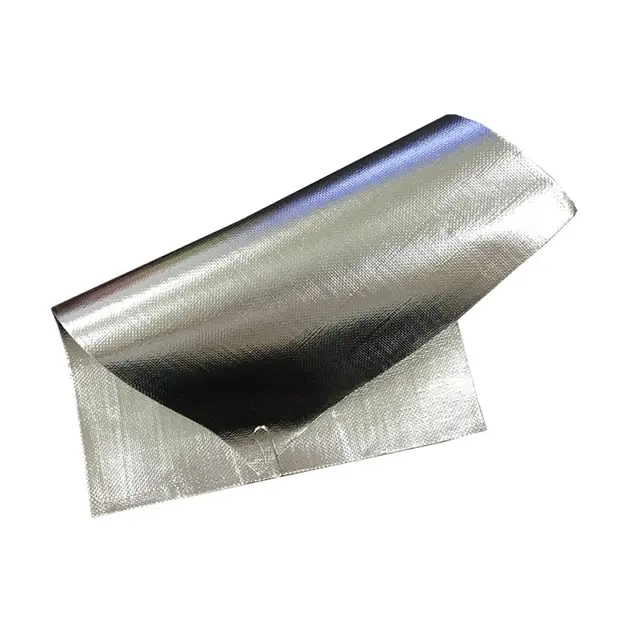
Glass fibre cloth aluminum foil is a composite material made by laminating a layer of aluminum foil to a glass fibre cloth. The glass fibre serves as the base layer, providing strength, flexibility, and structural integrity. The aluminum foil, on the other hand, acts as a reflective barrier that blocks heat transfer through radiation. This combination of materials creates a highly effective insulative product that can withstand high temperatures while preventing the passage of heat, moisture, and light.
The glass fibre cloth provides flexibility, making the material easier to handle and install. At the same time, the aluminum foil acts as a powerful reflector, preventing heat from passing through. This unique combination ensures that the material performs well in a variety of temperature control and insulation applications.
The synergy between glass fibre and aluminum foil is what makes this composite material particularly effective at insulation. The glass fibre provides structural support and resilience, while the aluminum foil performs the critical function of heat reflection. When exposed to high temperatures or thermal radiation, the aluminum foil reflects most of the heat away from the surface, while the glass fibre helps distribute and dissipate the remaining heat.
This dual-layer system allows glass fibre cloth aluminum foil to maintain thermal stability and provide long-lasting insulation. The reflective properties of the aluminum foil significantly reduce the amount of heat absorbed, while the glass fibre acts as a barrier, preventing heat from escaping into the surrounding environment.
To better understand how glass fibre cloth aluminum foil works as an insulator, it’s essential to explore the three primary mechanisms of heat transfer—radiation, conduction, and convection—and how the material interacts with each of these processes.
Radiation: Heat transfer through radiation occurs when thermal energy is emitted from a warm surface in the form of electromagnetic waves. Aluminum foil is particularly effective at blocking radiant heat, which is why it plays such a crucial role in insulation.
Conduction: Conduction is the transfer of heat through direct contact between molecules. Glass fibre has a relatively low thermal conductivity, meaning that it does not easily conduct heat, which helps to prevent the transmission of heat through the material.
Convection: Convection occurs when heat is transferred through fluids (liquids or gases). While glass fibre cloth aluminum foil is not a fluid, its structure helps reduce convective heat transfer by providing a barrier to airflow, thus limiting the movement of heat through the material.
By combining the reflective properties of aluminum foil with the low conductivity of glass fibre, glass fibre cloth aluminum foil effectively mitigates all three forms of heat transfer. This makes it an excellent choice for insulation in high-temperature environments.
The reflective properties of the aluminum foil are key to the material’s ability to block radiant heat. When the aluminum foil is exposed to heat, it reflects most of the thermal radiation back toward its source, preventing heat from entering the insulated area. This not only helps to maintain temperature but also enhances energy efficiency by reducing the need for additional cooling or heating.
The insulating capabilities of glass fibre cloth aluminum foil make it an invaluable material in a variety of industrial and commercial applications. Let’s take a look at some of the contexts in which this material excels.
In HVAC systems and refrigeration units, controlling temperature and preventing heat loss or gain is critical. Glass fibre cloth aluminum foil is often used as insulation in air ducts, refrigeration pipes, and cold storage facilities. The material’s ability to reflect radiant heat and resist conduction makes it ideal for maintaining the temperature inside HVAC systems, refrigeration units, and cold storage areas. By using this material, businesses can reduce energy costs and improve the efficiency of their temperature control systems.
One of the most significant advantages of using glass fibre cloth aluminum foil for insulation is its contribution to energy efficiency. By reducing heat loss and improving temperature regulation, this material helps to minimize the need for excessive heating or cooling. In turn, this reduces energy consumption, which can lead to substantial cost savings for businesses in industries such as food storage, pharmaceuticals, and manufacturing.
Material | Reflective Insulation | Conductive Block | Durability |
Standard foil | Moderate | Medium | Low |
Glass fibre cloth foil | High | Strong | High |
While glass fibre cloth aluminum foil is commonly used in refrigeration and HVAC applications, its versatility extends far beyond these industries. Let’s explore some additional uses for this highly effective insulating material.
In HVAC systems, insulation is essential for maintaining air temperature and energy efficiency. Glass fibre cloth aluminum foil is commonly used as insulation in ductwork, helping to prevent heat loss or gain as air travels through the system. The material’s reflective and insulating properties make it ideal for reducing energy consumption in heating and cooling systems.
In industries that deal with extreme temperatures, such as the manufacturing of chemicals, electronics, and pharmaceuticals, temperature control is critical. Glass fibre cloth aluminum foil is used in industrial settings to maintain consistent temperatures in equipment and storage areas. Its resistance to high temperatures, along with its insulating properties, makes it an essential component in protecting sensitive materials and equipment from heat damage.
The unique combination of heat resistance, durability, and flexibility makes glass fibre cloth aluminum foil an excellent material for a wide range of applications. Some of the most common uses include:
Packaging: In industries that require high-temperature protection for sensitive goods, glass fibre cloth aluminum foil is used in packaging materials to prevent heat damage during transport and storage.
Construction: In building insulation, this material is used to maintain indoor temperatures and reduce energy consumption. Its ability to reflect radiant heat and resist moisture makes it a popular choice for insulating walls, roofs, and floors.
Glass fibre cloth aluminum foil is particularly well-suited for extreme conditions due to its high temperature resistance and durability. It can withstand harsh environments, including high-temperature industrial settings and refrigeration applications, making it a versatile choice for temperature-sensitive operations.
In conclusion, glass fibre cloth aluminum foil is an exceptional material that provides reliable thermal insulation across a variety of industries. Its ability to block heat transfer through radiation, conduction, and convection makes it an ideal choice for applications requiring efficient insulation, such as HVAC systems, refrigeration, and industrial temperature control. With its combination of strength, durability, and energy efficiency, glass fibre cloth aluminum foil is a valuable material for businesses looking to improve energy performance and protect sensitive products.
Contact us today to learn more about how high-quality glass fibre cloth aluminum foil can benefit your business. Whether you're in need of reliable insulation for HVAC systems or seeking a solution for industrial temperature control, our products offer the ideal solution for your needs.
Glass fibre cloth aluminum foil blocks heat transfer through radiation, conduction, and convection. The reflective aluminum layer prevents radiant heat, while the glass fibre provides low thermal conductivity and resistance to temperature fluctuations.
Key benefits include enhanced energy efficiency, reduced heat loss or gain, moisture resistance, and durability. It’s an excellent choice for applications that require temperature control, such as HVAC, refrigeration, and industrial use.
Yes, glass fibre cloth aluminum foil can withstand high temperatures, making it ideal for industrial environments, chemical manufacturing, and other applications where temperature stability is essential.
Compared to traditional insulation materials, glass fibre cloth aluminum foil offers superior reflective insulation, better heat resistance, and longer-lasting durability. Its unique combination of materials provides higher performance and efficiency.


