
close
Choose Your Site
Global
Social Media


Views: 0 Author: Site Editor Publish Time: 2025-12-21 Origin: Site


Have you ever wondered if aluminum foil sheets are truly disposable? Understanding their use can change how you approach cooking and food storage. In this article, we’ll explore the characteristics of aluminum foil sheets, their disposability, and practical tips for using them effectively. Join us as we uncover the truth about aluminum foil sheets and their role in everyday life.
Aluminum foil sheets are thin, flexible sheets made from high-purity aluminum. They are designed to be lightweight yet strong, providing excellent barrier properties. This means they effectively protect food from heat, moisture, and light, making them ideal for various applications.
The composition of aluminum foil sheets is crucial for their performance. Made primarily from aluminum, these sheets are processed to ensure purity and durability. High-purity aluminum not only enhances their barrier capabilities but also makes them safe for food contact. This quality is essential for anyone concerned about food safety and hygiene.
Aluminum foil sheets come in several types, each designed for specific uses. Here’s a look at the most common varieties:
1. Pre-Cut Aluminum Foil Sheets
These sheets are cut to convenient sizes for easy use. Ideal for home cooks, they eliminate the need for cutting, saving time in the kitchen.
2. Oil-Resistant Aluminum Foil Sheets
Perfect for grilling and barbecuing, these sheets resist oil and grease. They are designed to withstand high temperatures while keeping food intact.
3. Breathable Aluminum Foil Sheets
Featuring a unique design, breathable sheets allow steam to escape. This prevents sogginess, making them great for baking and roasting.
4. Printed Aluminum Foil Sheets
These sheets can be customized with logos or designs, making them popular in catering. They enhance presentation while maintaining functionality.
5. Round Aluminum Foil Sheets
Specifically shaped for covering bowls and plates, these sheets fit snugly over various containers. They are convenient for food storage and serving.
6. Glossy Aluminum Foil Sheets
With a shiny surface, glossy sheets are perfect for wrapping food. They not only look appealing but also provide excellent insulation.
Type of Aluminum Foil Sheet | Key Features | Common Uses |
Pre-Cut Aluminum Foil Sheets | Convenient sizes, no cutting required | Everyday cooking |
Oil-Resistant Aluminum Foil Sheets | Resists oil and grease, high-temperature | Grilling and barbecuing |
Breathable Aluminum Foil Sheets | Allows steam escape, prevents sogginess | Baking and roasting |
Printed Aluminum Foil Sheets | Customizable designs | Catering and branding |
Round Aluminum Foil Sheets | Fits over containers perfectly | Food storage and serving |
Glossy Aluminum Foil Sheets | Shiny surface, great insulation | Wrapping and presentation |
Each type of aluminum foil sheet serves a unique purpose, making them versatile tools in both home kitchens and professional settings. Whether you're grilling, baking, or catering, there's an aluminum foil sheet designed to meet your needs.

Aluminum foil sheets are well-known for their impressive barrier properties. They play a crucial role in protecting food and other materials from external factors. Let’s dive into the key features that make aluminum foil sheets an essential choice.
1. Heat Resistance
Aluminum foil can withstand high temperatures, making it perfect for cooking and baking. Whether you’re roasting vegetables or grilling meat, it maintains its integrity without melting or warping. This heat resistance ensures that your food cooks evenly and retains its flavor.
2. Moisture Protection
One of the standout features of aluminum foil sheets is their ability to keep moisture out. This is vital for food preservation. By sealing food tightly, they prevent moisture from entering, which helps maintain freshness and prevents spoilage. It’s especially useful for storing leftovers or meal prep.
3. Light-Blocking Capabilities
Aluminum foil sheets excel at blocking light, which is important for protecting sensitive materials. For instance, light exposure can degrade certain food items and pharmaceuticals. By using aluminum foil, you can shield your products from harmful UV rays, extending their shelf life.
Aluminum foil sheets are incredibly versatile, finding uses across various industries. Their unique characteristics make them suitable for numerous applications, including:
● Industrial Packaging
In industrial settings, aluminum foil sheets are used for packaging products that require protection from moisture and light. They are often used in the packaging of electronics and other sensitive materials.
● Food Service
In both household cooking and catering, aluminum foil sheets are indispensable. They are used for wrapping food, lining baking trays, and covering dishes. Their ability to retain heat and moisture makes them ideal for keeping food warm during service.
● Thermal Insulation
Beyond food, aluminum foil sheets are used in thermal insulation applications. They reflect heat, making them effective for insulating buildings and equipment. This property is particularly beneficial in HVAC systems, where maintaining temperature is crucial.
● Cold Chain Logistics
In the cold chain logistics industry, aluminum foil sheets help maintain the temperature of perishable items. They are essential for transporting food and pharmaceuticals, ensuring products remain at safe temperatures throughout the supply chain.
● Medical Packaging
Aluminum foil is also widely used in medical packaging. Its barrier properties protect sensitive medical supplies from contamination and degradation. This ensures that products remain sterile and effective until they are needed.
Application Area | Key Benefits | Examples of Use |
Industrial Packaging | Protects against moisture and light | Electronics, sensitive materials |
Food Service | Retains heat and moisture | Wrapping food, catering services |
Thermal Insulation | Reflects heat, improves energy efficiency | HVAC systems, building insulation |
Cold Chain Logistics | Maintains temperature during transport | Food and pharmaceuticals transport |
Medical Packaging | Ensures sterility and protection | Packaging for medical supplies |
Aluminum foil sheets are not just kitchen essentials; they are integral to many industries. Their barrier properties and versatility make them a valuable resource in everyday life and specialized applications alike.
When we talk about disposability, we refer to products designed for one-time use. Disposable items are typically convenient, allowing us to save time and effort in cleaning. However, there are common misconceptions about what "disposable" truly means. Many people assume that all disposable products are harmful to the environment, while others believe they cannot be reused at all.
In reality, the disposability of aluminum foil sheets depends on how they are used. While they are often single-use in cooking and food storage, they can sometimes be reused if they remain clean and uncontaminated. Understanding this nuance is important for making informed choices about their use.
Aluminum foil sheets are widely recognized for their convenience, especially in various application scenarios. In catering, for instance, they are invaluable. They allow for quick food wrapping and serving, minimizing cleanup time for busy professionals. This is particularly useful during events where efficiency is key.
In household cooking, aluminum foil sheets provide a hassle-free solution for food preparation. Imagine grilling burgers at a barbecue; using aluminum foil sheets to wrap vegetables or fish not only prevents sticking but also makes cleanup a breeze. Instead of scrubbing greasy pans, you simply toss the used foil away.
Application Scenario | Benefits | Example Use Case |
Catering | Quick food wrapping, minimal cleanup | Serving meals at large events |
Household Cooking | Easy food preparation and storage | Wrapping leftovers or baking items |
Barbecuing | Prevents sticking, simplifies cleaning | Wrapping food for the grill |
The convenience of single-use aluminum foil sheets cannot be overstated. They save time and effort, making them a go-to choice for many home cooks and professional chefs alike. By understanding their disposability, we can appreciate how aluminum foil sheets enhance our cooking experience while also considering their environmental impact.
One of the standout features of aluminum foil sheets is their pre-cut design. These sheets are available in convenient sizes, eliminating the need for cutting. This feature is especially beneficial for busy cooks who want to save time. Imagine preparing a meal; you can simply grab a pre-cut sheet, wrap your food, and move on to the next task. This ease of use enhances the cooking experience significantly.
Moreover, the pull-style design of some aluminum foil sheets adds to the user experience. With a simple pull, you can access the exact amount of foil needed without hassle. This design minimizes waste and ensures that you only use what you need. It’s a practical solution that makes cooking more efficient and enjoyable.
Another important aspect of aluminum foil sheets is their size customization. Having sheets available in various sizes is crucial for different applications. For instance, smaller sheets are perfect for wrapping individual items, such as small cans or snacks. Larger sheets work well for covering baking trays or wrapping whole meals.
Here are a few examples of how size customization enhances usability:
● Small Cans: A small pre-cut sheet can easily fit over a can, keeping leftovers fresh without the need for additional containers.
● Barbecue: When grilling, larger sheets can wrap vegetables or fish, preventing them from falling through the grill grates. This not only simplifies cooking but also ensures that food retains its moisture and flavor.
Size Type | Ideal Use Case | Benefits |
Small Sheets | Covering cans and small dishes | Saves space, reduces waste |
Medium Sheets | Wrapping sandwiches or snacks | Convenient for lunch packing |
Large Sheets | Covering baking trays or large meals | Ideal for family gatherings or parties |
These design features make aluminum foil sheets not just convenient but also versatile. By catering to various needs, they enhance the overall cooking and food storage experience, making them a staple in kitchens everywhere.
Aluminum foil has garnered attention for its environmental impact, and it’s essential to understand its eco-friendliness. While some argue that single-use products contribute to waste, aluminum foil is quite different. The production of aluminum does require significant energy, but the material itself is highly recyclable. In fact, aluminum can be recycled indefinitely without losing its quality, making it a sustainable choice when managed correctly.
VWIN, a leader in the industry, emphasizes its commitment to energy-saving and environmentally friendly materials. By investing in energy-efficient production processes, they reduce the carbon footprint associated with aluminum foil manufacturing. This dedication ensures that the environmental impact is minimized while still providing high-quality products for consumers.
Recycling aluminum foil sheets is a straightforward process, but it’s crucial to follow specific guidelines to ensure that they are properly recycled. Here are some key points to consider:
● Cleaning: Before recycling, make sure to clean off any food residue. Contaminated foil can disrupt the recycling process.
● Balling Up: Instead of tossing flat sheets into the recycling bin, crumple them into a ball. This makes it easier for recycling facilities to handle.
● Check Local Regulations: Recycling rules can vary by location, so always check local guidelines to ensure proper disposal.
Recycling Guidelines | Importance | Benefits |
Clean before recycling | Prevents contamination | Ensures efficiency in the recycling process |
Crumple into a ball | Easier handling by recycling facilities | Reduces the risk of foil being lost in the process |
Follow local regulations | Complies with community recycling rules | Supports local recycling initiatives |
Recycling aluminum products offers numerous benefits. It conserves natural resources, reduces energy consumption, and decreases greenhouse gas emissions. By recycling, we address concerns about excessive environmental burden and promote a more sustainable future. This makes aluminum foil sheets not just a convenient option but also an environmentally responsible choice when disposed of correctly.
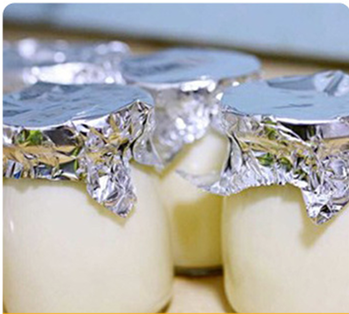
Using aluminum foil sheets effectively can significantly enhance food preservation. To maximize their benefits, consider these best practices:
1. Wrap Food Tightly: When storing leftovers, ensure that you wrap the food tightly in aluminum foil. This minimizes air exposure, which can lead to spoilage. For items like sandwiches or baked goods, a snug wrap helps retain moisture and flavor.
2. Use Double Layers: For extra protection, especially in freezing conditions, use double layers of aluminum foil. This not only provides a better barrier against freezer burn but also keeps food fresher for longer periods.
3. Label and Date: If you’re storing multiple items, use a marker to label and date the foil-wrapped packages. This simple step helps you keep track of what you have and when it needs to be used, reducing waste.
To minimize waste while using aluminum foil sheets, try these strategies:
● Reuse When Possible: If the foil is clean and free from food residue, consider reusing it for similar items. For instance, a sheet used for wrapping vegetables can be reused for covering bowls.
● Cut to Size: Instead of using large sheets, cut smaller pieces as needed. This prevents excessive use and ensures you only use what is necessary.
Best Practices | Benefits |
Wrap food tightly | Reduces air exposure, prevents spoilage |
Use double layers | Better protection against freezer burn |
Label and date | Helps track food freshness and usage |
Aluminum foil sheets are not just for food storage; they have a variety of creative applications. Here are some interesting ways to use them beyond the kitchen:
● Craft Projects: Aluminum foil can be molded into various shapes, making it a popular choice for crafts. Kids enjoy using it for art projects, while adults might use it for DIY home decor.
● Insulation: The reflective properties of aluminum foil make it useful for insulation. You can line windows to keep heat in during winter or out during summer, enhancing energy efficiency.
● Catering Services: In the catering industry, aluminum foil sheets can be customized with logos for branding. This not only adds a professional touch but also helps promote the business during events.
Creative Use | Description | Benefits |
Craft Projects | Mold into shapes for art and decor | Fun and engaging for all ages |
Insulation | Reflect heat for energy efficiency | Reduces energy costs |
Catering Services | Customized logo printing on foil sheets | Enhances branding and presentation |
These practical tips and creative uses highlight the versatility of aluminum foil sheets, making them an essential item in both kitchens and beyond. By following best practices for food storage and exploring innovative applications, you can make the most of this handy material.
In this article, we explored the disposability of aluminum foil sheets. We discussed their convenience in food storage and cooking.
Aluminum foil sheets are often single-use but can be reused if clean. It's important to consider their environmental impact, especially regarding recycling.
Ultimately, while they offer great convenience, we should also think about sustainability. Balancing ease of use with eco-friendliness is crucial for responsible consumption.
A: Yes, aluminum foil sheets can be reused if they are clean and free from food residue.
A: While generally safe, excessive use of aluminum foil may lead to aluminum leaching into food, which some studies suggest could have health risks.
A: Alternatives include parchment paper, wax paper, and reusable silicone wraps, which can be more environmentally friendly.
A: Clean aluminum foil can be recycled. Ensure it's free from food residue and crumple it into a ball for easier recycling.


