
close
Choose Your Site
Global
Social Media


Views: 0 Author: Site Editor Publish Time: 2025-10-18 Origin: Site


Is reinforced aluminum the solution to corrosion challenges in demanding environments? This article explores its unique properties and benefits. Reinforced aluminum combines strength and enhanced corrosion resistance, making it a versatile choice for various industries. In this post, you'll learn about its composition, how it compares to standard aluminum, and its applications in construction, automotive, and technology sectors.
Corrosion resistance means a material's ability to withstand damage caused by oxidation or other chemical reactions with its environment. When metals like aluminum are exposed to moisture, air, or chemicals, they can corrode, which weakens the material and shortens its lifespan. Corrosion resistance helps prevent this degradation, keeping the metal strong and durable over time.
Several factors influence how well a material resists corrosion:
● Environmental Conditions: Exposure to saltwater, humidity, acids, or industrial pollutants can accelerate corrosion.
● Material Composition: The presence of alloying elements or reinforcements can improve resistance.
● Surface Treatments: Coatings, anodizing, or painting create barriers that protect the metal.
● Mechanical Stress: Cracks or scratches can expose the metal beneath protective layers, increasing corrosion risk.
● Temperature: Higher temperatures often speed up corrosion processes.
Aluminum naturally forms a thin oxide layer that protects it from corrosion. However, this layer can be compromised in harsh environments, such as marine or industrial settings. Reinforced aluminum aims to enhance this natural protection, making it more suitable for demanding applications.
Corrosion resistance in aluminum is crucial because:
● It extends the material's service life.
● It reduces maintenance and replacement costs.
● It ensures safety and structural integrity in construction, automotive, and aerospace industries.
● It maintains aesthetic appearance, especially in visible applications.
Understanding these aspects helps in selecting the right aluminum type for specific uses, especially where exposure to corrosive elements is high.
Tip: For B2B readers, always assess the environmental conditions your aluminum components will face, then choose reinforced aluminum with suitable corrosion resistance to optimize durability and reduce long-term costs.
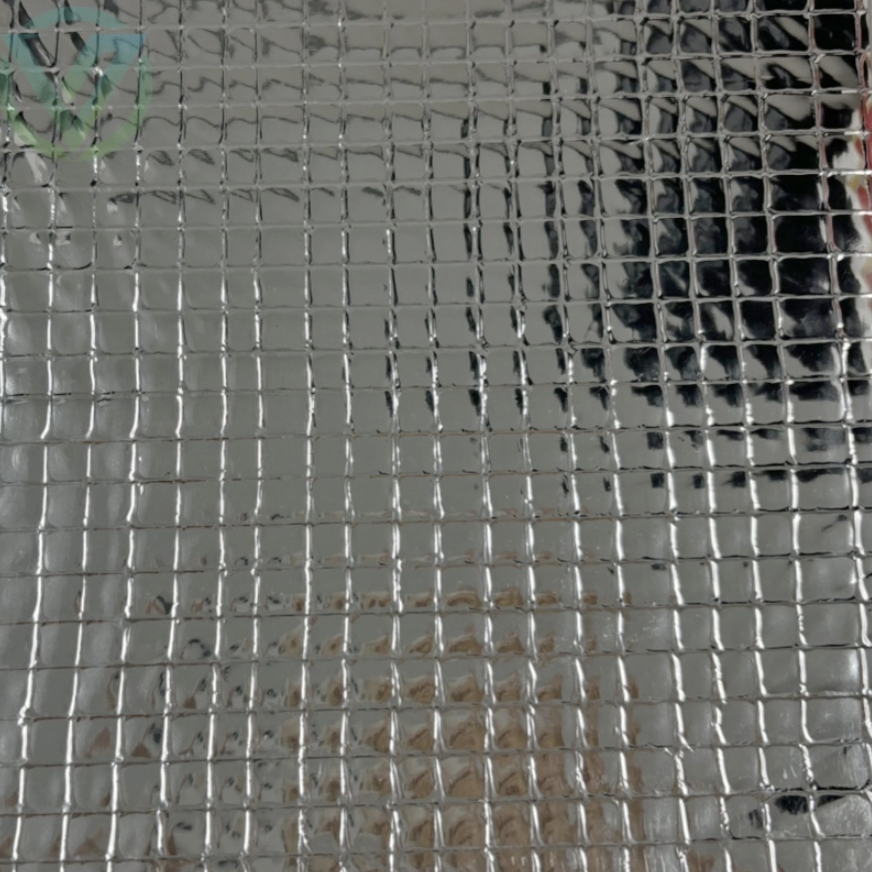
Reinforced aluminum combines aluminum with other materials to boost its strength and corrosion resistance. Common reinforcements include:
● Fiberglass: Adds tensile strength and improves resistance to cracking.
● Carbon fibers: Light yet strong, enhancing structural integrity.
● Ceramic particles: Increase hardness and wear resistance.
● Alloying elements: Such as magnesium, silicon, copper, and zinc improve mechanical properties and corrosion resistance.
These reinforcements are embedded within the aluminum matrix, creating a composite material that leverages the best features of each component.
Reinforcing aluminum changes its characteristics in several ways:
● Increased strength: Reinforcements improve tensile strength and stiffness, enabling aluminum to handle heavier loads.
● Enhanced corrosion resistance: Certain reinforcements and alloying elements form protective oxide layers or reduce susceptibility to chemical attack.
● Improved wear resistance: Ceramic or fiber reinforcements help aluminum resist abrasion and surface degradation.
● Weight considerations: Reinforcements can add minimal weight while significantly boosting performance, maintaining aluminum’s advantage as a lightweight metal.
● Thermal stability: Some reinforcements help aluminum maintain properties at higher temperatures.
This balance of improved mechanical and chemical properties makes reinforced aluminum suitable for demanding environments.
Standard aluminum is valued for its light weight, natural corrosion resistance, and ease of fabrication. However, it has limitations:
Property | Standard Aluminum | Reinforced Aluminum |
Tensile Strength | Moderate | Significantly higher |
Corrosion Resistance | Good (due to oxide layer) | Enhanced through reinforcements/alloys |
Wear Resistance | Moderate | Improved with ceramic/fiber additions |
Weight | Low | Slightly higher but still lightweight |
Cost | Lower | Higher due to added materials and processing |
Reinforced aluminum offers superior performance where standard aluminum might fall short, particularly in structural applications and harsh environments.
Tip: When selecting aluminum for projects, consider reinforced aluminum for applications requiring higher strength and durability in corrosive environments to achieve longer service life and reduced maintenance.
Reinforcement improves aluminum's corrosion resistance by strengthening its structure and reducing vulnerability to environmental damage. When materials like carbon fibers or ceramic particles are embedded into aluminum, they create a more robust matrix that resists cracking and surface degradation. This limits the exposure of fresh aluminum to corrosive elements such as moisture and salts, which typically accelerate corrosion.
Moreover, reinforcements can act as physical barriers, blocking pathways for corrosive agents. This means the aluminum beneath stays protected longer. Reinforced aluminum often exhibits fewer surface imperfections, reducing sites where corrosion could initiate.
Beyond reinforcement, protective coatings play a crucial role in corrosion resistance. Treatments like anodizing form a thicker, more durable oxide layer on aluminum surfaces. This oxide layer acts as a shield against oxygen and moisture, preventing further oxidation.
Other coatings include:
● Powder Coating: Provides a tough, uniform finish that resists scratches and chemical attack.
● Conversion Coatings: Such as chromate or phosphate treatments, which enhance adhesion for paints and improve corrosion resistance.
● Sealants: Applied after anodizing to close pores in the oxide layer, further blocking corrosive agents.
These coatings complement reinforcement by adding extra layers of defense, especially in harsh environments like marine or industrial settings.
Alloying elements mixed into reinforced aluminum significantly influence corrosion resistance. Common elements include:
● Magnesium: Improves strength but can increase susceptibility to corrosion if not balanced properly.
● Silicon: Enhances castability and corrosion resistance.
● Copper: Increases strength but may reduce corrosion resistance if present in high amounts.
● Zinc: Adds strength and improves corrosion resistance when alloyed correctly.
The right combination of these elements forms stable, protective oxide films on the aluminum surface. They also reduce galvanic corrosion risks by ensuring uniform electrochemical properties throughout the material.
In reinforced aluminum, alloying elements work synergistically with reinforcements and coatings to provide a multi-layered defense against corrosion. This makes the material suitable for applications where long-term durability is essential.
Tip: For B2B buyers, select reinforced aluminum grades with tailored alloy compositions and proven protective coatings to maximize corrosion resistance for your specific environmental conditions.
Reinforced aluminum finds use across many industries due to its strength and corrosion resistance. The construction sector uses it for structural components, roofing, and cladding, where durability against weather is crucial. Automotive manufacturers rely on reinforced aluminum for lightweight parts that resist rust, improving vehicle longevity and fuel efficiency. Aerospace also benefits, as the material offers strength without excessive weight, essential for aircraft performance and safety.
Marine industries use reinforced aluminum extensively for boat hulls and offshore structures, where exposure to saltwater demands superior corrosion resistance. Electronics and technology sectors increasingly adopt it for casings and heat sinks, leveraging its thermal stability and protection against environmental damage.
In construction, reinforced aluminum offers several advantages:
● Longevity: Resists corrosion from rain, humidity, and pollution, reducing repair costs.
● Strength: Supports heavy loads while remaining lighter than steel, easing installation.
● Aesthetic Appeal: Maintains appearance over time due to corrosion resistance and available finishes.
Automotive benefits include:
● Weight Reduction: Improves fuel efficiency and vehicle handling.
● Durability: Resists rust, extending vehicle life and lowering maintenance.
● Safety: Enhanced strength helps protect occupants in crashes.
Both industries gain from reduced lifecycle costs and improved sustainability by using reinforced aluminum.
Technology fields explore reinforced aluminum for new applications:
● Electric Vehicles (EVs): Lightweight reinforced aluminum frames boost range and battery life.
● Renewable Energy: Used in wind turbine components for strength and corrosion resistance.
● Consumer Electronics: Durable, heat-resistant casings protect devices from wear and environmental factors.
● Robotics and Drones: Lightweight yet strong materials enable longer operation times and better performance.
These emerging uses demonstrate reinforced aluminum’s versatility and growing importance in cutting-edge technology.
Tip: When choosing materials for construction or automotive projects, consider reinforced aluminum for its balance of strength, corrosion resistance, and weight savings to enhance durability and performance.

Reinforced aluminum stands out in corrosion resistance compared to many common materials. Its natural oxide layer already protects standard aluminum, but reinforcement further boosts this defense. For example, steel, while strong, often rusts rapidly without protective coatings. Stainless steel offers better corrosion resistance but is heavier and more expensive. Reinforced aluminum combines light weight and enhanced corrosion resistance, making it ideal for environments exposed to moisture, salt, or chemicals.
Compared to plastics, reinforced aluminum is more durable and withstands UV exposure and mechanical wear better. Unlike copper or brass, which can tarnish or corrode in certain conditions, reinforced aluminum maintains its integrity longer. The embedded reinforcements and alloying elements reduce corrosion rates by preventing cracks and surface degradation, which often serve as corrosion starting points in metals.
Reinforced aluminum generally costs more upfront than standard aluminum or some plastics due to added materials and manufacturing complexity. However, its extended lifespan and reduced maintenance often lead to lower total costs over time. For instance, in construction or automotive applications, using reinforced aluminum can minimize repair expenses and downtime caused by corrosion damage.
Steel might be cheaper initially but requires frequent painting or galvanizing to resist corrosion, increasing long-term costs. Plastics may seem cost-effective but often lack the mechanical strength and heat resistance reinforced aluminum offers, leading to earlier replacement. Thus, reinforced aluminum strikes a balance between performance and cost, especially where durability matters.
From an environmental perspective, reinforced aluminum offers several benefits. Aluminum is highly recyclable, and incorporating reinforcements does not significantly hinder recycling processes. Its lightweight nature reduces fuel consumption in transportation and automotive sectors, lowering carbon emissions.
Materials like steel have higher embodied energy and produce more greenhouse gases during production. Plastics, while lightweight, pose recycling challenges and contribute to pollution. Reinforced aluminum's durability means fewer replacements and less waste over time. Additionally, its corrosion resistance reduces the need for harmful coatings or treatments, lessening environmental hazards.
Tip: When choosing materials, weigh reinforced aluminum’s superior corrosion resistance and lifecycle cost savings against initial investment to optimize durability and environmental sustainability for your projects.
Reinforced aluminum, despite its many advantages, has some drawbacks. The addition of reinforcements and alloying elements can increase its cost compared to standard aluminum. This may limit its use in projects with tight budgets. Also, manufacturing reinforced aluminum requires more complex processes, which can extend lead times.
Another concern is the potential for galvanic corrosion if reinforcements have different electrochemical potentials. For instance, carbon fibers embedded in aluminum can create small galvanic cells that accelerate corrosion unless properly managed. This requires careful material selection and design to avoid such issues.
Reinforced aluminum may also exhibit reduced ductility compared to pure aluminum, making it less flexible under certain mechanical stresses. This can be a limitation in applications requiring extensive forming or bending.
While reinforced aluminum offers enhanced corrosion resistance, it is not invincible. Extremely aggressive environments, such as highly acidic or alkaline conditions, can still degrade the material over time. Prolonged exposure to saltwater, especially in marine applications, demands additional protective coatings or maintenance.
High-temperature environments may also challenge reinforced aluminum. Some reinforcements or alloying elements may lose effectiveness or degrade under sustained heat, reducing corrosion resistance and mechanical strength.
In environments with frequent mechanical wear or impact, surface damage can expose the aluminum matrix, increasing corrosion risk. Thus, protective coatings and regular inspections remain essential.
Research continues to improve reinforced aluminum’s corrosion resistance and overcome current limitations. Innovations focus on:
● Developing new reinforcement materials that minimize galvanic corrosion risks.
● Enhancing coating technologies that provide longer-lasting protection in harsh environments.
● Optimizing alloy compositions for better corrosion resistance without sacrificing mechanical properties.
● Investigating self-healing coatings that repair minor surface damage automatically.
● Exploring environmentally friendly manufacturing processes to reduce costs and environmental impact.
These efforts aim to expand reinforced aluminum’s use in more demanding applications and environments.
Tip: For B2B buyers, evaluate environmental conditions and mechanical demands carefully before selecting reinforced aluminum, and consider coatings or treatments to address specific corrosion challenges.
Reinforced aluminum excels in corrosion resistance, combining strength with durability. It suits demanding environments, offering longevity and reduced maintenance. Future advancements aim to enhance its applications, focusing on improved reinforcements and coatings. For companies like Hangzhou VWIN Technology Co., Ltd., reinforced aluminum provides a valuable solution, balancing performance and cost-effectiveness. Its versatility makes it ideal for construction, automotive, and emerging technologies, ensuring safety and sustainability.
A: Reinforced aluminum is a composite material that combines aluminum with reinforcements like fiberglass, carbon fibers, or ceramic particles to enhance strength and corrosion resistance.
A: Reinforced aluminum improves corrosion resistance by embedding materials that strengthen its structure and reduce exposure to environmental damage, limiting pathways for corrosive agents.
A: Reinforced aluminum offers superior tensile strength, enhanced corrosion resistance, and improved wear resistance, making it ideal for demanding environments compared to standard aluminum.
A: Yes, reinforced aluminum generally costs more due to added materials and complex manufacturing processes, but its durability and reduced maintenance can lead to lower total costs over time.
A: Reinforced aluminum can maintain properties at higher temperatures, but the effectiveness of reinforcements may vary, requiring careful selection for extremely high-temperature applications.


