
close
Choose Your Site
Global
Social Media


Views: 0 Author: Site Editor Publish Time: 2025-10-30 Origin: Site


Is your packaging choice harming the planet? NonWoven Aluminum Foil is popular for its durability and barrier properties. But is it biodegradable? Understanding its environmental impact is crucial. In this post, you'll learn about NonWoven Aluminum Foil's composition, uses, and biodegradability. Discover how it compares to traditional options and explore eco-friendly alternatives.
Nonwoven aluminum foil is a hybrid material combining nonwoven fabric and aluminum foil layers. The nonwoven fabric consists of fibers bonded mechanically, thermally, or chemically, creating a durable, flexible base. This fabric is then laminated with a thin aluminum foil layer, which provides a barrier against moisture, oxygen, and contaminants.
The aluminum foil is typically made from pure aluminum or an aluminum alloy, offering excellent resistance to corrosion and heat. The lamination process fuses these two materials, resulting in a composite that benefits from the strength and breathability of nonwoven fabric and the protective qualities of aluminum.
This combination makes the material lightweight yet sturdy. It also allows for features like resealable zippers and tear notches, enhancing usability. The outer nonwoven surface can be printed on, making it ideal for branding and marketing purposes.
Nonwoven aluminum foil finds wide applications, especially in packaging. It is popular for food packaging, including snacks, ready-to-eat meals, and perishable goods, due to its excellent barrier properties that keep products fresh longer by preventing exposure to moisture and air.
Beyond food, this material is used in medical packaging, insulation products, and protective covers. Its ability to maintain temperature makes it suitable for thermal insulation in bags designed to keep items warm or cold.
Retail packaging benefits from its customizable printing options, allowing brands to showcase logos, product information, and promotional graphics. The resealable zipper and stand-up pouch designs add convenience for consumers, making it a preferred choice for both manufacturers and end-users.
In summary, nonwoven aluminum foil is a versatile, durable material combining fabric and metal properties to protect and preserve products efficiently.
Note: The unique composite nature of nonwoven aluminum foil means recycling requires separating layers, which can complicate waste management.
Biodegradability means a material can break down naturally by microorganisms like bacteria, fungi, or algae. This process converts the material into natural substances such as water, carbon dioxide, and biomass. A biodegradable product reduces environmental harm by decomposing instead of piling up in landfills or oceans.
However, biodegradability depends on the material's chemical makeup. Natural fibers like cotton or paper break down faster, while synthetic materials and metals usually take much longer or never fully degrade.
Nonwoven aluminum foil combines two materials: nonwoven fabric and aluminum foil. Each component affects biodegradability differently.
● Nonwoven Fabric: Often made from synthetic fibers like polypropylene or polyester, these fibers resist microbial attack. They do not degrade quickly, sometimes taking decades or longer in natural environments. Some nonwoven fabrics use biodegradable fibers like cellulose, but these are less common in aluminum-laminated products.
● Aluminum Foil Layer: Aluminum is a metal that does not biodegrade. Instead, it can corrode or oxidize over time but remains in the environment as metal particles. This layer acts as a barrier, preventing microbes from accessing the fabric layer beneath.
● Lamination: The fusion of fabric and aluminum creates a composite that is difficult for microorganisms to break apart. The aluminum layer protects the fabric, and the fabric supports the foil, making the whole structure resistant to natural decomposition.
● Environmental Conditions: Factors like temperature, moisture, oxygen levels, and presence of microbes influence biodegradability. Even biodegradable components degrade slowly under dry or cold conditions. In landfills, where oxygen is limited, biodegradation slows down significantly.
● Thickness and Additives: Thicker materials and added chemical treatments (e.g., coatings, adhesives) can further hinder biodegradation by creating physical or chemical barriers.
Nonwoven aluminum foil is not biodegradable in the traditional sense. Its synthetic fabric and aluminum layers resist natural breakdown. While the nonwoven fabric might degrade slowly if made from biodegradable fibers, the aluminum prevents full decomposition. This composite's durability benefits product protection but challenges environmental sustainability.
Companies and consumers should consider this when choosing packaging materials. Proper disposal and recycling are essential to reducing environmental impact.
Nonwoven aluminum foil differs significantly from traditional aluminum foil in environmental impact due to its composite structure. Traditional aluminum foil is a single material, made entirely of aluminum, which is highly recyclable if clean and free of food residue. It breaks down neither in landfills nor in nature but can be recycled repeatedly without quality loss, saving energy and resources.
Nonwoven aluminum foil, however, combines aluminum foil with a nonwoven fabric layer, often synthetic. This fusion complicates recycling since separating the layers is challenging. The nonwoven fabric typically resists biodegradation, and the aluminum layer does not decompose naturally. As a result, nonwoven aluminum foil often ends up in landfills, where it persists for decades.
The added nonwoven fabric enhances durability and barrier properties but increases environmental burden. Unlike traditional foil, nonwoven aluminum foil cannot be recycled through standard aluminum recycling streams unless specialized facilities separate the layers. This limitation leads to more waste and higher environmental impact, especially if disposed of improperly.
To reduce environmental harm, several eco-friendly alternatives to nonwoven aluminum foil have emerged. These options aim to maintain protective qualities while improving sustainability:
● Biodegradable Laminates: Some manufacturers use biodegradable polymers combined with aluminum or replace aluminum with biodegradable metalized films. These materials degrade faster under composting conditions but may not match aluminum’s barrier strength.
● Monomaterial Packaging: Packaging made from a single recyclable material, such as polyethylene or polypropylene films, simplifies recycling. While these may lack aluminum’s barrier properties, advances in multilayer monomaterial films improve performance.
● Paper-Based Composites: Laminates combining paper with biodegradable coatings offer good barrier properties and are compostable. These are suitable for dry goods and some food products but may not suit all moisture-sensitive items.
● Reusable Packaging: Shifting from single-use to reusable packaging reduces waste. Nonwoven fabric bags without aluminum foil, designed for multiple uses, offer an eco-friendlier choice for certain applications.
● Recycled Aluminum Use: Encouraging use of recycled aluminum in foil production reduces resource extraction and energy consumption, lessening the overall environmental footprint.
Choosing the right alternative depends on product requirements, cost, and sustainability goals. Companies increasingly prioritize materials that balance protection, consumer convenience, and environmental responsibility.
Recycling nonwoven aluminum foil is complicated due to its composite structure. This material combines a nonwoven fabric layer and a thin aluminum foil layer bonded tightly. To recycle it properly, these layers must be separated, which is difficult and often not feasible in standard recycling facilities.
Aluminum foil alone is highly recyclable. When clean and free of food residue, it can be melted down and reused with no loss in quality. Recycling aluminum saves significant energy—up to 95% compared to producing new aluminum from raw ore—and reduces landfill waste.
However, the nonwoven fabric layer, often synthetic, cannot be recycled alongside aluminum in typical streams. It contaminates the aluminum recycling process if mixed. This contamination can cause defects in recycled aluminum products and disrupt facility operations.
Because of this, many recycling centers reject composite materials like nonwoven aluminum foil. If sent to landfill, the aluminum layer does not biodegrade, and the synthetic fabric persists for years. This creates environmental concerns, especially in places lacking advanced recycling technology.
Some specialized recycling companies or industrial processes exist that can handle composites by chemically or mechanically separating layers. These methods require investment and infrastructure not widely available. As a result, most nonwoven aluminum foil ends up as waste.
To improve recycling rates and reduce environmental impact, consider these best practices:
● Clean the Material: Remove food residue or contaminants from the foil surface before disposal. Clean materials are more likely accepted by recyclers.
● Check Local Recycling Guidelines: Confirm if your local facility accepts composite materials or only pure aluminum foil. Follow their instructions to avoid contamination.
● Separate When Possible: If the nonwoven fabric can be peeled off easily, separate it from the aluminum foil to recycle the foil alone.
● Use Specialized Recycling Services: Some companies provide mail-in or drop-off programs for difficult-to-recycle materials. These services can handle composites properly.
● Choose Recyclable Packaging: When purchasing packaging, prioritize products designed for easier recycling or made from single materials.
● Educate Stakeholders: Inform employees, customers, or partners about proper disposal methods to reduce contamination and waste.
By following these steps, businesses can help divert nonwoven aluminum foil from landfills and support circular economy goals.
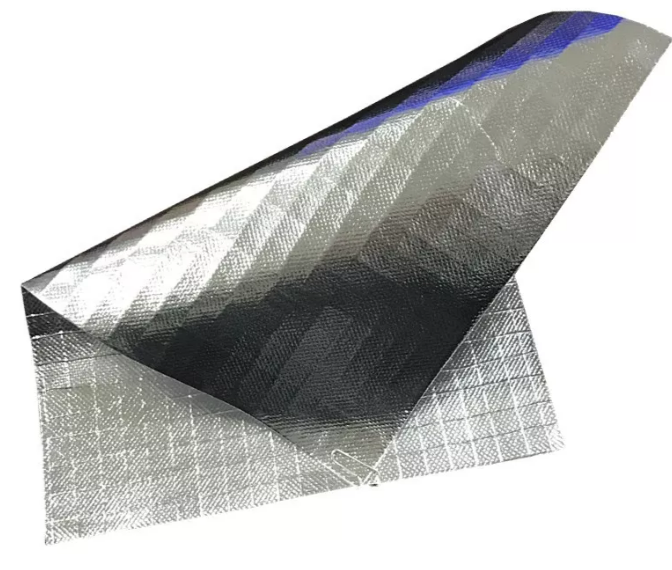
Nonwoven aluminum foil packaging has seen significant innovations aimed at enhancing functionality, sustainability, and consumer convenience. Manufacturers now focus on improving barrier properties while reducing environmental impact. Some notable advances include:
● Enhanced Lamination Techniques: New lamination methods use heat and pressure more efficiently to bond the nonwoven fabric and aluminum foil layers. This results in stronger, more flexible packaging that better resists tearing and punctures.
● Incorporation of Biodegradable Fibers: Some producers experiment with biodegradable fibers like polylactic acid (PLA) or cellulose in the nonwoven fabric layer. These fibers help reduce the overall environmental footprint, though the aluminum foil remains non-biodegradable.
● Nano-Coatings and Surface Treatments: Applying nano-scale coatings can improve moisture and oxygen barrier properties without adding thickness. These coatings also enable packaging to be lighter, reducing material usage and shipping costs.
● Printing and Customization Technologies: Advances in digital printing allow high-resolution, full-color designs directly on the nonwoven surface. This boosts brand visibility and enables smaller production runs with less waste.
● Resealable and Reclosable Features: Innovations in zipper technology and tear notches make nonwoven aluminum foil pouches more user-friendly. Consumers can open and reseal packages easily, preserving freshness and reducing food waste.
● Smart Packaging Integration: Some companies are exploring embedding sensors or indicators within the nonwoven aluminum foil layers. These features can monitor freshness, temperature, or tampering, adding value for food safety and quality assurance.
Looking ahead, the nonwoven aluminum foil packaging industry is likely to focus on sustainability and circular economy principles. Key trends include:
● Monomaterial Solutions: Developing packaging made from a single recyclable material remains a priority. Research aims to replace the aluminum layer with biodegradable or recyclable films that maintain barrier quality.
● Advanced Recycling Technologies: Innovations in mechanical and chemical recycling processes could enable efficient separation of nonwoven fabric and aluminum layers, making composite packaging more recyclable.
● Lightweight Packaging: Reducing material thickness without compromising protection will continue. This lowers shipping emissions and raw material consumption.
● Reusable Packaging Models: Brands may offer durable nonwoven aluminum foil packaging designed for multiple uses, encouraging consumers to return or refill packages.
● Eco-Friendly Coatings and Adhesives: Switching to water-based or biodegradable adhesives and coatings will reduce toxic chemical use and improve compostability.
● Integration of Digital Features: QR codes, NFC tags, or augmented reality elements embedded in packaging will enhance consumer engagement and provide product information.
● Regulatory Compliance and Certifications: Packaging will increasingly meet stricter environmental regulations and obtain certifications like compostability or recyclability labels to build consumer trust.
In summary, innovation in nonwoven aluminum foil packaging balances product protection, consumer convenience, and environmental responsibility. The future will likely bring smarter, greener, and more efficient packaging solutions aligned with evolving market demands.
Consumers play a crucial role in managing the environmental impact of nonwoven aluminum foil packaging. Understanding biodegradability helps them make informed choices about disposal and sustainability.
Nonwoven aluminum foil is not biodegradable because its aluminum and synthetic fabric layers resist natural breakdown. Educating consumers about this fact prevents misconceptions that such packaging will simply decompose in landfills or compost bins.
Clear labeling on packaging can inform users about proper disposal methods. Brands should include instructions highlighting that the material requires recycling or specialized waste handling rather than composting. This transparency builds trust and encourages responsible behavior.
Awareness campaigns, both online and offline, can explain the challenges of composite materials and promote eco-friendly alternatives. Providing facts about the environmental footprint of nonwoven aluminum foil helps consumers understand the importance of reducing waste and choosing sustainable products.
Retailers and manufacturers can also offer guidance on how to clean and prepare packaging for recycling, emphasizing the need to remove food residue and separate layers if possible. This reduces contamination in recycling streams and improves material recovery rates.
Educational efforts should stress the value of reducing single-use packaging and opting for reusable or recyclable options. Encouraging consumers to support brands committed to sustainability fosters a market shift toward greener packaging solutions.
Promoting sustainability involves collaboration among businesses, consumers, and policymakers. Companies can lead by adopting eco-conscious packaging designs and communicating their environmental initiatives clearly.
Encouraging consumers to reuse nonwoven aluminum foil pouches when feasible extends product life and reduces waste. For example, resealable bags can serve multiple purposes beyond initial use, such as storage for snacks or small items.
Businesses should highlight their use of recycled materials or biodegradable components in packaging to attract eco-aware customers. Transparent reporting on sustainability goals and achievements enhances brand reputation.
Retailers can implement take-back programs or partner with recycling services to manage used packaging responsibly. Providing convenient drop-off points for nonwoven aluminum foil products helps keep them out of landfills.
Consumers can be motivated to reduce waste by choosing products with minimal or recyclable packaging. Simple actions like properly sorting recyclables and avoiding contamination support circular economy principles.
Public policies promoting recycling infrastructure improvements and incentives for sustainable packaging encourage industry-wide adoption of greener practices. Collaboration between stakeholders accelerates progress toward reducing environmental impact.
Ultimately, fostering a culture of sustainability requires ongoing education, accessible recycling options, and commitment from all parties. Together, they can reduce the ecological footprint of nonwoven aluminum foil packaging and move toward a more sustainable future.
Nonwoven aluminum foil is not biodegradable due to its combination of synthetic fabric and aluminum layers. While it offers excellent protection and usability features, its environmental impact is significant. The material's durability makes it challenging to recycle, requiring specialized processes. Consumers should be informed about proper disposal methods to minimize waste. Companies like Vwin provide innovative packaging solutions, balancing product protection with sustainability. Vwin's products are designed to offer value by enhancing usability while considering environmental responsibility.
A: NonWoven Aluminum Foil is a composite material that combines nonwoven fabric with a layer of aluminum foil, offering durability and excellent barrier properties.
A: No, NonWoven Aluminum Foil is not biodegradable due to its aluminum and synthetic fabric layers, which resist natural decomposition.
A: NonWoven Aluminum Foil is used in food, medical, and insulation packaging for its moisture and oxygen barrier properties, keeping contents fresh and protected.
A: Recycling NonWoven Aluminum Foil is challenging because its layers must be separated, which is not feasible in standard recycling facilities.


