
close
Choose Your Site
Global
Social Media


Views: 0 Author: Site Editor Publish Time: 2025-10-30 Origin: Site


Have you ever wondered if aluminum foil rolls can withstand high temperatures? These versatile kitchen staples are not only used for wrapping leftovers but also play a crucial role in cooking and industrial applications. Understanding their heat resistance is essential for safety and effectiveness. In this post, you'll learn about aluminum foil rolls, their importance in high-temperature settings, and various applications.
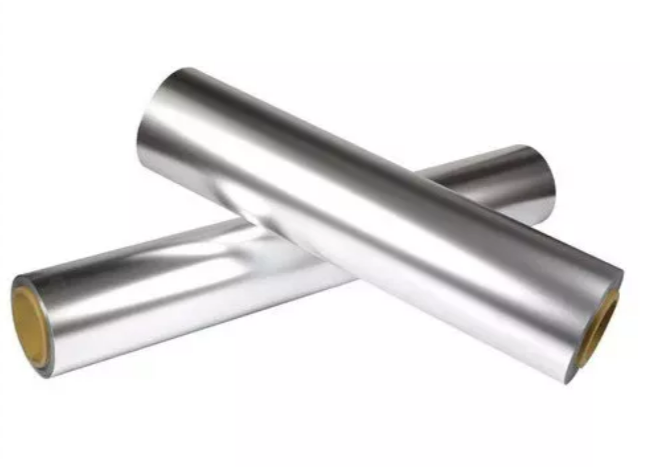
Aluminum foil rolls start as large slabs of aluminum metal. These slabs go through a process called rolling, where they are pressed between heavy rollers until they become very thin sheets—less than 0.2 millimeters thick. During this process, two sheets are often rolled together to prevent tearing, which creates one shiny side and one dull side on the foil.
The foil’s composition is mostly pure aluminum, but small amounts of other metals like manganese, magnesium, and silicon are added. These alloys improve the foil’s strength, flexibility, and heat resistance. Manufacturers carefully control these metals to make foils suitable for various uses, including household cooking and industrial applications.
Aluminum foil is lightweight, flexible, and an excellent conductor of heat. Its thinness allows it to mold easily around food or objects, making it perfect for wrapping or covering. It also reflects heat and light, which helps in cooking and insulation.
Key properties include:
● Heat conduction: Aluminum foil quickly absorbs and transfers heat.
● Heat resistance: Depending on alloy and thickness, it can withstand temperatures up to 500°F (260°C) or more.
● Durability: Alloying elements increase strength and prevent tearing.
● Non-reactivity: Foil resists many chemicals but can react with acidic or salty foods.
● Surface finish: One side shiny, one side dull, but both sides perform similarly.
Aluminum foil comes in two main types: regular and heavy-duty.
● Regular foil is thinner and more flexible. It’s perfect for everyday tasks like wrapping sandwiches or covering dishes to keep moisture in. It handles moderate heat but can tear easily.
● Heavy-duty foil is thicker and stronger. It resists tearing and punctures better, making it ideal for grilling, roasting, or lining pans at higher temperatures. It also withstands more heat and rough handling.
Choosing between them depends on your cooking needs. For high-heat or heavy use, heavy-duty foil is best. For lighter tasks, regular foil will do.
Aluminum foil rolls can generally tolerate temperatures up to about 500°F (260°C) without melting or degrading. This threshold suits most household cooking tasks, including baking, roasting, and broiling. The metal’s melting point is much higher—around 1,220°F (660°C)—but practical use temperatures stay well below this to avoid damage or loss of mechanical properties.
The exact maximum temperature depends on foil thickness and alloy composition. Thicker, heavy-duty foils withstand higher heat longer than thinner regular foils. Industrial-grade foils, specially alloyed and coated, can endure even higher temperatures, sometimes exceeding 600°F (315°C) for short periods.
Household aluminum foil is designed for everyday kitchen use. It’s thin, flexible, and perfect for wrapping food or lining pans. Its heat resistance covers typical oven temperatures but is not suited for extreme industrial heat.
Industrial aluminum foil rolls differ significantly. They often use enhanced alloys containing manganese, magnesium, and silicon, which improve heat tolerance and mechanical strength. These foils may also have protective coatings that prevent oxidation and degradation at elevated temperatures. Industrial foils can handle harsh environments like manufacturing processes, automotive heat shielding, or insulation where temperatures regularly exceed household oven limits.
The alloy mix in aluminum foil plays a crucial role in heat resistance. Pure aluminum is soft and loses strength quickly when heated. Adding small amounts of manganese (0.5-1%), magnesium (0.3-1%), and silicon (<1%) strengthens the foil’s microstructure.
● Manganese raises the melting point slightly and improves formability.
● Magnesium prevents softening during heat exposure by stabilizing the crystal structure.
● Silicon enhances dimensional stability and reduces recrystallization.
Together, these alloys help maintain tensile strength and flexibility even above 400°F (204°C). This means foil won’t crack, tear, or deform easily during high-temperature use.
Coatings also contribute. Fluoropolymer or silicone coatings allow foils to resist oxidation and maintain nonstick properties at high temperatures. These coatings extend foil life and performance during repeated heating cycles.
Aluminum foil is a kitchen staple for cooking and baking. It conducts heat quickly and evenly, making it perfect for wrapping food, covering dishes, or lining pans. When used in ovens, aluminum foil can tolerate typical baking temperatures up to about 500°F (260°C). This makes it safe for roasting, baking, and broiling.
For broiling, which involves direct radiant heat and higher temperatures, heavy-duty foil is recommended. It resists tearing and can handle the heat better than regular foil. However, foil should never line the bottom of an oven. Doing so can block heat flow, cause uneven cooking, and damage oven surfaces or heating elements.
When wrapping food, foil helps retain moisture and flavor. Tent foil loosely over dishes to prevent over-browning or seal tightly to trap steam. For broilers, cutting small slits in foil lining a pan helps fat drip away, reducing smoke and flare-ups.
Beyond kitchens, industrial aluminum foil rolls are designed to endure harsher conditions and higher temperatures. These foils often contain special alloys and coatings that increase heat resistance well above household levels, sometimes exceeding 600°F (315°C).
Industries use aluminum foil for:
● Oven liners in commercial baking: Foil conveyor belts or racks withstand long, hot baking cycles.
● Heat sealing: Packaging food or pharmaceuticals requires foil that won’t warp under heat pulses.
● Filtration: Foil filters handle hot oils and fats in food processing.
● Thermoforming molds: Foil molds in manufacturing endure repeated heating and cooling without losing shape.
These applications benefit from foil’s light weight, thermal conductivity, and durability, reducing energy use and improving product quality.
Aluminum foil also plays a vital role in automotive and insulation sectors. It serves as a radiant heat barrier protecting engine components from exhaust heat, often enduring temperatures up to 500°F or more. This helps prevent heat damage and improves vehicle performance.
In industrial insulation, foil laminates wrap pipes, valves, and vessels exposed to continuous high temperatures. These foils reflect radiant heat and resist corrosion, extending equipment life and improving safety.
Foil’s combination of flexibility, heat resistance, and corrosion protection makes it ideal for insulation in HVAC systems, refrigeration, and petrochemical plants.
Using aluminum foil to line the bottom of your oven might seem like a good idea to catch drips and make cleanup easier. However, this practice poses several risks. Foil can block air vents and disrupt heat circulation, causing uneven cooking and potentially damaging oven components. The reflective surface intensifies heat in certain spots, which may scratch or chip the oven’s porcelain coating or damage heating elements. In extreme cases, foil touching heating elements can melt or cause sparks, leading to permanent appliance damage.
Additionally, foil on oven racks can interfere with heat distribution, resulting in uneven food cooking. It’s best to avoid using foil as a liner on oven bottoms or racks to maintain your oven’s performance and longevity.
Aluminum foil reacts chemically with foods high in salt or acid, such as tomato sauce, citrus fruits, or vinegar-based dishes. This reaction can cause the foil to degrade and leach small amounts of aluminum into your food, potentially altering taste and posing health concerns.
To prevent this, avoid wrapping or covering highly acidic or salty foods directly in aluminum foil. Instead, use parchment paper as a barrier or opt for glass or ceramic containers when cooking these foods.
While aluminum foil is generally not recommended in microwaves, it can be used safely under strict conditions. Only cover a small portion of the food (less than 25%) with smooth, wrinkle-free foil. Wrinkles can cause electrical sparks that may damage the microwave.
Keep the foil at least one inch away from the microwave walls and metal parts to prevent arcing. Avoid using foil near metal racks or components. Always check your microwave’s manual for specific guidelines before using foil.
If you find these precautions cumbersome, consider alternative covers like microwave-safe lids or parchment paper to avoid risks.
Silicone oven liners provide a flexible, reusable alternative to aluminum foil. Made from heat-resistant silicone, these liners tolerate temperatures up to 480°F (250°C) or higher, depending on the product. They are non-stick, easy to clean, and can be cut to fit oven racks or pans. Unlike foil, silicone liners do not reflect heat, which helps maintain even cooking temperatures inside the oven.
Silicone liners are great for catching drips and spills without the risk of blocking air vents or damaging oven surfaces. However, they should never be placed on the bottom of gas ovens or directly on heating elements. Always follow the manufacturer’s instructions for safe use.
Parchment paper is a popular alternative for baking and cooking tasks requiring moderate heat resistance. It typically withstands oven temperatures up to 420°F (215°C), though some brands may tolerate slightly higher temperatures. Parchment paper is non-stick, moisture-resistant, and doesn’t react with acidic or salty foods, making it ideal for wrapping or lining baking sheets.
Unlike aluminum foil, parchment paper is non-reflective and won’t cause hot spots or damage oven surfaces. It is also safe for use in microwaves and air fryers. However, parchment paper should not touch oven walls or be used under broilers due to its lower heat tolerance.
Besides silicone and parchment, several other materials serve as heat-resistant alternatives:
● Fiberglass Oven Mats: These mats withstand high temperatures (up to 500°F or 260°C) and provide non-stick surfaces for baking. They are reusable and easy to clean but should be used according to product guidelines.
● Ceramic and Glass Bakeware: These materials offer excellent heat resistance and do not react with food. They are heavier and less flexible than foil but provide even heat distribution and safe cooking surfaces.
● Aluminum Foil Tape: Used mainly in industrial applications, this tape resists temperatures around 180°C to 200°C. It serves for sealing and insulation but is not suitable for direct food contact or typical household cooking.
● Heat-Resistant Silicone Mats: Similar to liners, these mats can be placed on baking trays for non-stick cooking. They tolerate high temperatures and reduce the need for disposable liners.
Each alternative has its own advantages and limitations based on heat tolerance, flexibility, reusability, and safety. Choosing the right one depends on the cooking method, temperature, and food type.
Aluminum foil rolls, composed mainly of aluminum with added alloys, resist high temperatures up to 500°F. They are ideal for cooking and industrial applications due to their heat conduction and durability. Heavy-duty foils withstand higher temperatures than regular ones. As technology advances, aluminum foil's heat resistance and strength may improve further. For reliable and high-quality aluminum foil products, consider Vwin, which offers innovative solutions tailored to meet diverse cooking and industrial needs.
A: Yes, Aluminum Foil Rolls can generally resist temperatures up to 500°F (260°C), making them suitable for most cooking tasks.
A: Aluminum Foil Rolls conduct heat effectively, ideal for wrapping food or lining pans in ovens up to 500°F (260°C).
A: Heavy-duty Aluminum Foil Rolls resist tearing and handle higher temperatures, making them ideal for grilling and roasting.
A: Yes, alternatives include silicone oven liners, parchment paper, and fiberglass oven mats, each with varying heat resistances.


