
close
Choose Your Site
Global
Social Media


Views: 0 Author: Site Editor Publish Time: 2025-12-24 Origin: Site


Are you curious about how aluminum foil laminated films perform against light? These innovative materials play a crucial role in various applications, from food packaging to electronics. In this article, we’ll explore whether aluminum foil laminated films effectively block light and why this feature is essential for preserving product quality.
Aluminum foil laminated films are advanced materials designed for various applications, combining multiple layers to enhance performance. These films typically consist of aluminum foil sandwiched between other materials, such as polyethylene terephthalate (PET) and polyethylene (PE). This combination creates a robust barrier that effectively protects against moisture, gases, and light.
Materials Used:
● Aluminum Foil: Provides excellent barrier properties and reflects light.
● PET: Offers structural strength and durability.
● PE: Adds flexibility and heat-sealing capabilities.
The integration of these materials results in a film that is not only strong but also highly functional. This makes aluminum foil laminated films ideal for food packaging, insulation, and protective applications.
Aluminum foil laminated films are known for their impressive properties, making them suitable for a wide range of uses. Here are some key characteristics:
● High Barrier Properties: These films effectively block moisture, gases, and light, ensuring that products remain fresh and protected. For instance, they prevent oxidation in food items and protect sensitive electronics from environmental factors.
● Thermal Insulation: The films offer thermal insulation, helping to maintain temperature in cold chain logistics and building applications. This feature is crucial for preserving the quality of perishable goods during transport.
● Reflective Capabilities: The aluminum layer reflects radiant energy, making these films ideal for energy-efficient building solutions. They can help reduce heating costs by reflecting heat away from buildings in warmer climates.
Table: Key Characteristics of Aluminum Foil Laminated Films
Property | Description |
Moisture Barrier | Prevents water vapor transmission |
Gas Barrier | Blocks oxygen and other gases |
Light Blocking | Reflects visible and UV light |
Thermal Insulation | Reduces heat transfer |
Flexibility | Allows for easy handling and application |
The unique combination of these characteristics makes aluminum foil laminated films a versatile choice for manufacturers and consumers alike. They not only enhance product longevity but also contribute to sustainability efforts by reducing waste.
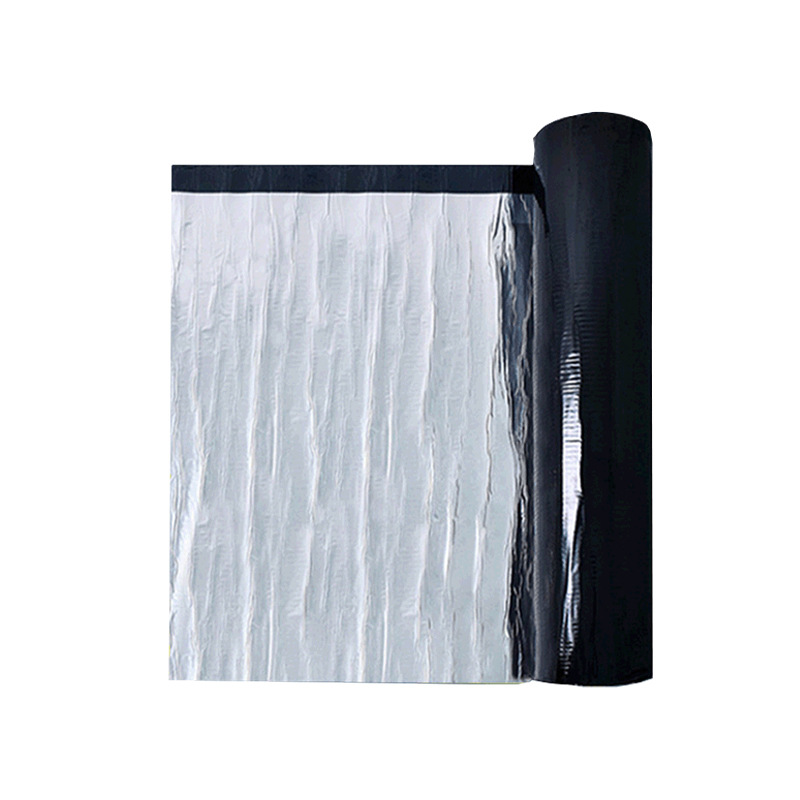
Aluminum foil laminated films excel at blocking light due to the unique properties of the aluminum layer. This layer acts like a mirror, reflecting a significant amount of incoming light instead of allowing it to pass through. When light hits the aluminum foil, it is either reflected or absorbed, preventing it from penetrating the film. This makes aluminum foil laminated films highly effective in various applications where light exposure can be detrimental.
Comparison with Other Types of Films:
● Metallized Films: Unlike aluminum foil, metallized films have a thin layer of metal applied through vacuum deposition. While they can block some light, their effectiveness is generally lower than that of aluminum foil. For example, metallized films may only reflect about 97-99% of light, while aluminum foil can achieve nearly 100% opacity.
● Plastic Films: Standard plastic films are typically translucent, allowing some light to pass through. In contrast, aluminum foil laminated films provide a complete barrier against light, making them a superior choice for applications requiring total darkness.
Aluminum foil laminated films are designed to block various types of light, ensuring comprehensive protection for sensitive products. Here’s a closer look at the types of light that these films can effectively block:
1. Visible Light: The aluminum layer reflects visible light, preventing it from reaching the packaged product. This is crucial for items like food, where exposure to light can lead to spoilage.
2. Ultraviolet (UV) Light: UV rays can degrade materials and compromise product integrity. Aluminum foil laminated films block a significant portion of UV light, making them ideal for protecting sensitive items such as pharmaceuticals and cosmetics.
3. Infrared (IR) Light: These films also reflect infrared light, which can generate heat. By blocking IR light, aluminum foil laminated films help maintain stable temperatures for products in transit or storage.
Table: Light Blocking Capabilities of Aluminum Foil Laminated Films
Type of Light | Blocking Efficiency | Impact on Products |
Visible Light | ~100% | Prevents spoilage in food |
Ultraviolet (UV) Light | ~98% | Protects pharmaceuticals from degradation |
Infrared (IR) Light | ~98% | Maintains temperature stability |
The combination of these light-blocking capabilities makes aluminum foil laminated films a preferred choice in industries ranging from food packaging to electronics. Their ability to protect against multiple types of light ensures that products remain fresh, effective, and safe from environmental damage.
Aluminum foil laminated films play a vital role in food packaging, primarily due to their exceptional light-blocking capabilities. By preventing light exposure, these films help preserve the freshness and quality of food items. Light can cause chemical reactions in food, leading to spoilage and loss of flavor. This is particularly important for products like snacks, dairy, and beverages.
Examples of Food Items Benefiting from Light Protection:
● Snack Foods: Chips and crackers remain crispy and flavorful.
● Dairy Products: Milk and cheese retain their nutritional value.
● Beverages: Juices and energy drinks avoid degradation.
Table: Benefits of Aluminum Foil Laminated Films in Food Packaging
Food Item | Benefit |
Chips | Maintains crunchiness |
Milk | Preserves taste and nutrition |
Energy Drinks | Prevents color and flavor loss |
In the electronics industry, aluminum foil laminated films are essential for protecting sensitive components from light exposure. Light can interfere with electronic devices, leading to malfunction or degradation. These films create a barrier that shields electronic parts from harmful light, ensuring reliable performance.
Case Studies of Use in Electronics Packaging:
● Smartphones: Components are packaged in aluminum foil laminated films to prevent light-induced damage.
● LED Lighting: These films protect sensitive circuits from light exposure during storage and transport.
Aluminum foil laminated films are widely used in construction for both thermal insulation and light blocking. They help maintain indoor temperatures by reflecting heat away during hot months and retaining warmth during colder seasons. This contributes to energy efficiency, reducing heating and cooling costs.
Benefits for Energy Efficiency and Indoor Comfort:
● Reflective Insulation: Keeps buildings cooler in summer and warmer in winter.
● Moisture Barrier: Prevents condensation, reducing mold growth.
Diagram: How Aluminum Foil Laminated Films Work in Building Insulation
[Heat Reflection]
↓
Aluminum Foil Layer
↓
[Insulation Material]
↓
[Indoor Space]
In cold chain logistics, aluminum foil laminated films are crucial for maintaining temperature and protecting perishable goods from light. These films help ensure that products like frozen foods and pharmaceuticals remain safe during transport.
Examples of Products Utilizing These Films in Cold Storage:
● Frozen Vegetables: Retain flavor and nutrients.
● Pharmaceuticals: Maintain efficacy by blocking light.
Aluminum foil laminated films also have specialized applications beyond standard uses. They can be tailored for specific needs, enhancing their versatility.
● Anti-Glare Applications: Used in building interiors or equipment enclosures to control light reflection, improving visibility and comfort.
● Rubber-Surface Laminated Types: Applied in floor insulation underlays to enhance indoor thermal comfort, making spaces more enjoyable.
Table: Specialized Applications of Aluminum Foil Laminated Films
Application | Description |
Anti-Glare | Controls light reflection in interiors |
Floor Insulation | Enhances thermal comfort in buildings |
Aluminum foil laminated films offer a wide range of applications across various industries. Their ability to block light while providing insulation and protection makes them an invaluable resource in today's market.
Total opacity refers to a material's ability to completely block light from passing through. This characteristic is crucial for applications where light exposure can lead to degradation or spoilage. Aluminum foil laminated films excel in this area, providing nearly 100% opacity. This means that when these films are used, products remain entirely shielded from light, ensuring their integrity and quality.
Comparison of Aluminum Foil Laminated Films to Other Materials:
● Standard Plastic Films: Typically allow some light to pass through, which can compromise product quality. They may only achieve about 60-80% opacity.
● Metallized Films: While they offer better light blocking than plastic, they still fall short of the total opacity provided by aluminum foil. Their effectiveness usually ranges from 90-95%.
Table: Light Blocking Performance Comparison
Material | Opacity Percentage | Light Blocking Efficiency |
Aluminum Foil Laminated | ~100% | Excellent |
Metallized Films | 90-95% | Good |
Standard Plastic | 60-80% | Fair |
This significant difference in performance highlights why aluminum foil laminated films are favored in industries requiring complete light protection.
Aluminum foil laminated films also provide robust protection against ultraviolet (UV) and infrared (IR) light. These films reflect a high percentage of both UV and IR light, making them ideal for sensitive products.
Statistics on UV and IR Light Reflected:
● UV Light: Aluminum foil laminated films can block up to 98% of UV rays. This is essential for products like pharmaceuticals and cosmetics, which can degrade when exposed to UV light.
● IR Light: These films also reflect about 98% of IR light, helping to maintain stable temperatures for temperature-sensitive items.
Importance for Sensitive Products: The blocking of UV and IR light is critical for preserving the efficacy and quality of pharmaceuticals. For instance, medications stored in aluminum foil laminated packaging are less likely to lose potency due to light exposure. This protection extends the shelf life and reliability of these products, ensuring they remain effective for consumers.
Table: UV and IR Protection Statistics
Type of Light | Reflection Percentage | Impact on Products |
Ultraviolet (UV) | ~98% | Prevents degradation of pharmaceuticals |
Infrared (IR) | ~98% | Maintains temperature stability |
Aluminum foil laminated films stand out for their exceptional performance in light blocking and protection against harmful UV and IR rays. This makes them an essential choice for various industries focused on quality and safety.
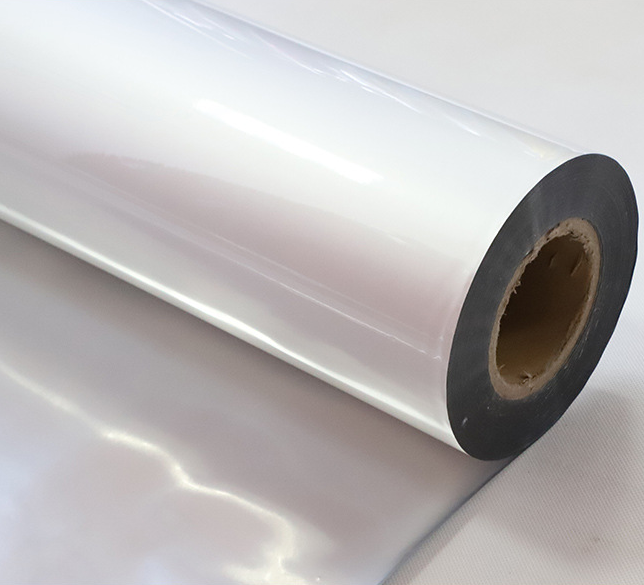
While aluminum foil laminated films are known for their excellent light-blocking capabilities, they do have some potential weaknesses. One of the primary concerns is the presence of pinholes and cracking. These tiny defects can occur during the manufacturing process or due to environmental stress, leading to compromised performance. Even a small pinhole can allow light to penetrate, reducing the film's overall effectiveness.
Impact of Thickness on Light-Blocking Performance: The thickness of the aluminum layer is crucial. Thinner films may not provide the same level of light blocking as thicker options. For instance, a film with a thickness of 7 microns may perform adequately in most applications, but if it is reduced to 3 microns, the risk of light penetration increases significantly. This variation can be critical in applications where total opacity is necessary.
Table: Thickness and Light Blocking Performance
Film Thickness (microns) | Light Blocking Efficiency | Application Suitability |
7 | High (~100%) | Food packaging, pharmaceuticals |
5 | Moderate (95%) | General packaging |
3 | Low (80%) | Less sensitive products |
Another limitation of aluminum foil laminated films is their ability to block certain wavelengths of light. While these films are effective against visible light, UV, and IR rays, extremely short wavelengths, such as high-energy ultraviolet (UVC) or gamma rays, may penetrate thin aluminum layers. This can be a concern in specific contexts, particularly in environments where high-energy radiation is present.
Contextual Examples of When This Might Be a Concern:
● Medical Applications: In settings like hospitals, where sterilization often involves UVC light, aluminum foil laminated films may not provide adequate protection.
● Industrial Settings: Certain manufacturing processes that involve high-energy radiation can compromise the integrity of aluminum foil, leading to potential exposure of sensitive materials.
Table: Wavelength Penetration Concerns
Wavelength Type | Typical Range | Penetration Risk Level |
Visible Light | 400-700 nm | Low |
Ultraviolet (UV) | 10-400 nm | Moderate |
UVC | 100-280 nm | High (may penetrate thin layers) |
Gamma Rays | <0.01 nm | Very High (requires heavy shielding) |
Understanding these limitations is essential for selecting the right materials for specific applications. While aluminum foil laminated films offer many advantages, their performance can be affected by factors such as thickness and the specific wavelengths they need to block.
Aluminum foil laminated films effectively block light, providing nearly 100% opacity. Their unique structure ensures protection against visible, UV, and IR light. However, potential weaknesses like pinholes and thickness variations can affect performance.
Choosing the right materials is crucial for specific applications. Understanding the limitations and benefits of aluminum foil laminated films helps ensure optimal protection for sensitive products.
A: Yes, aluminum foil laminated films provide nearly 100% opacity, effectively blocking visible light.
A: Yes, there are various types designed for different uses, such as food packaging, electronics, and insulation.
A: Consider factors like thickness, light-blocking performance, and specific application requirements to select the right film.
A: The production and disposal of aluminum foil can have environmental effects, but recycling options are available to mitigate this impact.


