
close
Choose Your Site
Global
Social Media


Views: 0 Author: Site Editor Publish Time: 2025-10-20 Origin: Site


Have you ever wondered if aluminum foil sheets can be safely used in ovens? These versatile sheets are staples in kitchens worldwide. They offer convenience and efficiency in cooking and baking. In this article, you'll learn about aluminum foil sheets, their common uses in ovens, and how to use them safely.
Aluminum foil sheets are thin, flexible metal sheets made primarily from aluminum. They are rolled out to a thickness often less than 0.2 millimeters. The foil's primary component is pure aluminum, usually over 99%. This high aluminum content gives the foil its distinctive shiny surface and excellent physical properties. Sometimes, additives are included to enhance specific characteristics like strength or flexibility.
The production starts with large aluminum ingots. These ingots are heated and passed through rollers repeatedly, thinning the metal into extremely fine sheets. The final rolling stage often happens in a controlled environment to ensure uniform thickness and smoothness. During manufacturing, one side of the foil is polished to a shiny finish, while the other side remains dull. This difference results from the rolling process where two sheets are rolled simultaneously and then separated.
Aluminum foil sheets come in various types depending on thickness and purpose:
● Standard Foil: Thin sheets used for everyday cooking, wrapping, and packaging.
● Heavy-Duty Foil: Thicker and more durable, ideal for grilling and oven use.
● Non-Stick Foil: Coated with a special layer to prevent food from sticking.
● Colored or Printed Foil: Used mainly for decorative or branding purposes.
● Perforated Foil: Contains tiny holes for specific cooking techniques like steaming.
Each type serves different needs, so selecting the right foil depends on the intended use, especially when it comes to oven applications.
Tip: For oven use, choose heavy-duty aluminum foil sheets as they offer better durability and heat resistance, reducing the risk of tearing or burning during cooking.
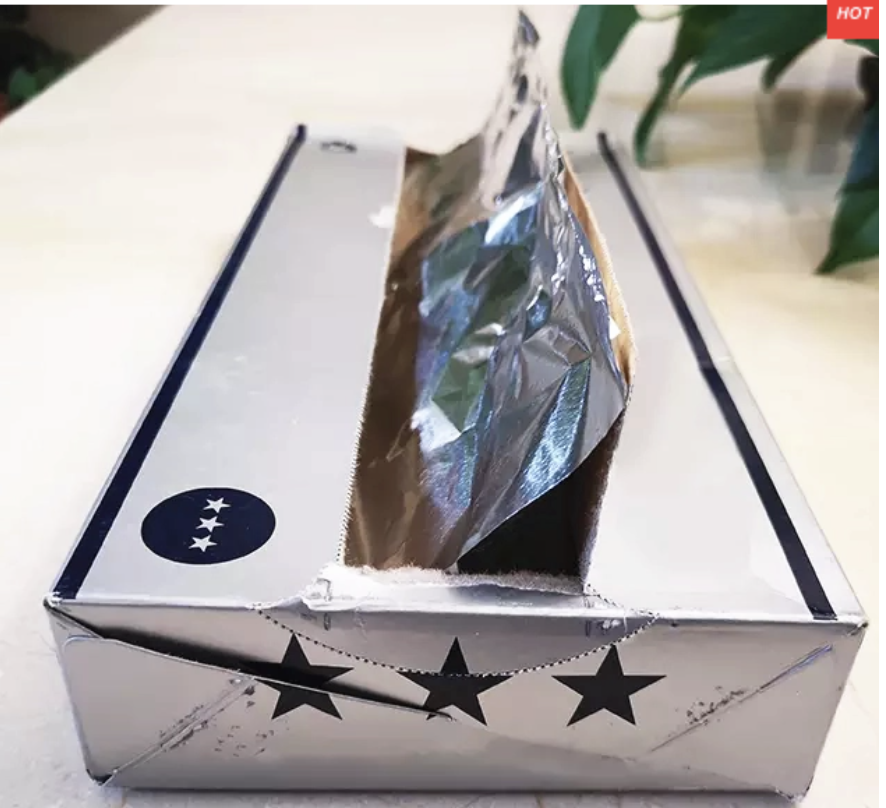
Aluminum foil sheets excel at conducting heat evenly across their surface. This quality helps distribute oven heat uniformly, preventing hot spots that might burn food. When wrapped around food or placed under it, foil reflects heat back, speeding cooking times and aiding browning. This efficient heat transfer makes aluminum foil a valuable tool for baking and roasting.
Many aluminum foil sheets, especially those labeled non-stick, provide a convenient cooking surface. They reduce food adhesion, making cleanup easier and preserving the appearance of baked goods. For sticky or delicate items like fish or pastries, using non-stick foil prevents tearing or sticking. Even standard foil can be lightly greased to enhance this effect.
Aluminum foil sheets are flexible and easy to shape, allowing cooks to cover dishes, line pans, or create foil packets. This adaptability lets you trap moisture, protect food from direct heat, or catch drips and spills. Foil sheets are lightweight and disposable, so they save time on washing up and can be quickly replaced. Their availability and low cost make them a practical choice for many oven tasks.
Tip: For best results in ovens, use heavy-duty or non-stick aluminum foil sheets to combine durability, heat conductivity, and easy cleanup during cooking.
Using aluminum foil sheets in ovens can pose certain risks if not handled properly. One major hazard is the risk of fire. Thin or crumpled foil can easily ignite if it comes into contact with heating elements or open flames, especially in broilers or toaster ovens. Another concern is the potential for aluminum to leach into food when exposed to acidic or salty ingredients, which may affect taste and raise health questions. Additionally, foil can cause uneven cooking if it blocks air circulation inside the oven, leading to hot spots or undercooked areas. Improper use, such as lining the bottom of the oven with foil, can trap heat and damage the oven’s components or cause electrical shorts.
To use aluminum foil sheets safely in ovens, follow these guidelines:
● Avoid covering oven racks completely; instead, use foil to wrap food or line baking trays.
● Use heavy-duty foil for better durability and reduced risk of tearing.
● Keep foil away from heating elements and avoid direct contact with flames.
● Do not line the bottom of the oven with foil as it can disrupt heat distribution and damage the appliance.
● When wrapping food, ensure the foil is securely folded to prevent drips and spills.
● Use non-stick foil or lightly grease standard foil to prevent food from sticking.
● Avoid using foil with acidic foods for long cooking times to minimize aluminum transfer.
● Always monitor food while cooking to detect any signs of foil damage or fire risk.
While aluminum foil is recyclable, contamination with food waste often leads to it being discarded as trash. Production of aluminum foil requires significant energy and mining of bauxite, which impacts the environment. Using foil sparingly and recycling clean foil can help reduce environmental harm. Consider alternatives like reusable silicone mats or parchment paper for some oven tasks to minimize waste. Heavy-duty foil tends to be more efficient, requiring less frequent replacement, which also reduces environmental footprint.
Tip: Always use heavy-duty aluminum foil sheets and avoid lining oven bottoms to ensure safe cooking and protect your oven from damage.
Aluminum foil sheets are widely used in baking and roasting to improve cooking efficiency and ease cleanup. When lining baking trays or wrapping food, foil helps distribute heat evenly, preventing burning or undercooking. It also traps moisture, which keeps meats and vegetables juicy and tender during roasting. For example, wrapping a whole chicken in foil can produce a moist interior while allowing the skin to brown nicely once the foil is removed toward the end of cooking.
Foil can also be shaped into loose covers over casseroles or baked goods to prevent excessive browning or drying out. This simple technique helps maintain the desired texture and appearance of delicate dishes like soufflés or custards.
In grilling and broiling, heavy-duty aluminum foil sheets offer protection against direct flames and high heat. They can be used to create foil packets that seal in flavors and juices, allowing foods to steam in their own moisture while cooking quickly. This method works well for fish, vegetables, and marinated meats.
Foil also serves as a barrier to catch drippings, reducing flare-ups and making grill cleanup easier. When broiling, placing foil under the food can prevent messes in the oven pan and reflect heat for more even cooking.
Aluminum foil sheets excel at wrapping food for oven cooking and storage. Wrapping leftovers or pre-cooked meals in foil helps retain heat and moisture when reheating in the oven. It also protects food from drying out or absorbing odors from the oven environment.
For longer preservation, foil acts as a barrier against light, oxygen, and contaminants, extending the shelf life of baked goods or cooked dishes stored in the refrigerator or freezer. When combined with plastic wrap, it provides a tight seal that prevents freezer burn.
Tip: Use heavy-duty aluminum foil sheets for grilling and broiling to resist tearing and withstand high heat, ensuring safe and effective cooking.
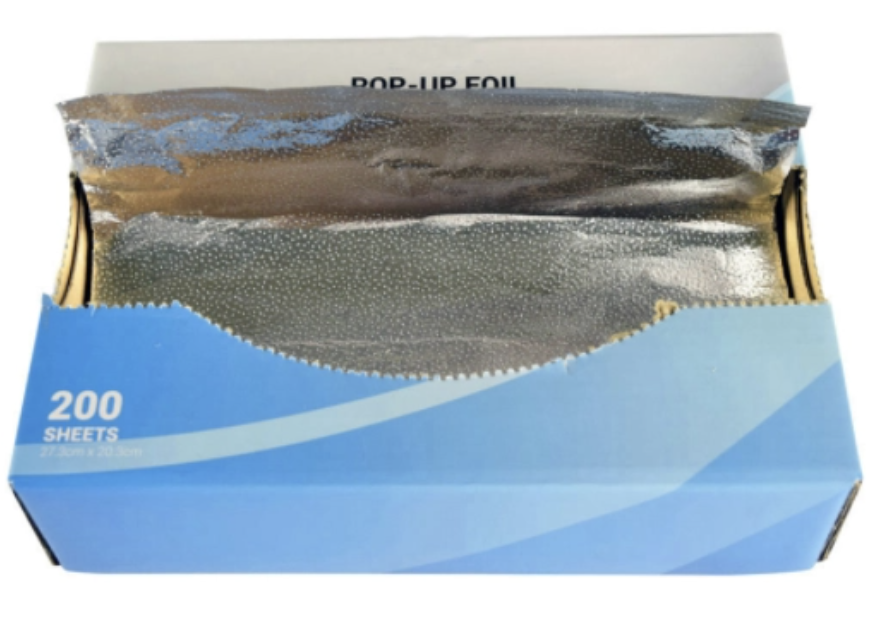
Silicone baking mats offer a reusable, non-stick surface for baking. Made from food-grade silicone, they withstand oven temperatures up to around 480°F (250°C). These mats eliminate the need for greasing pans or using disposable liners. They promote even heat distribution and prevent food from sticking, making cleanup easy. Unlike aluminum foil, silicone mats don’t tear or crumple, and they reduce waste by being reusable. They’re ideal for cookies, pastries, and roasting vegetables. However, they don’t wrap food or protect it from direct heat like foil does.
Parchment paper is a cellulose-based, heat-resistant paper coated with silicone. It can handle oven temperatures up to about 420°F (215°C). It provides a non-stick surface and is often used to line baking sheets or wrap food in “en papillote” cooking. Parchment paper is biodegradable and compostable, making it an eco-friendly alternative to foil. However, it is less durable under high heat and can burn if exposed directly to flames or heating elements. It’s great for baking cookies, roasting vegetables, and steaming fish but not suitable for grilling or broiling.
Glass and ceramic cookware are excellent alternatives for oven use, especially when you want to avoid disposable liners. They retain heat well and distribute it evenly, helping to cook food thoroughly. These materials are non-reactive, so they won’t interact with acidic or salty foods, unlike aluminum foil. Glass and ceramic dishes can be covered with lids or silicone covers to retain moisture. They are dishwasher safe and reusable, reducing waste. However, they can be heavy and may break if dropped or subjected to sudden temperature changes.
Tip: Choose silicone baking mats for reusable, non-stick surfaces; parchment paper for eco-friendly, disposable liners; and glass or ceramic cookware for durable, non-reactive oven use without disposable liners.
Choosing the right thickness matters a lot. Standard aluminum foil is thin and flexible, good for light tasks like wrapping sandwiches or covering dishes. However, it tears easily and may not hold up well under high oven heat. Heavy-duty foil is thicker and stronger. It resists tearing, punctures, and heat damage better, making it ideal for oven use, especially when grilling or broiling. The added durability means you can reuse the foil for multiple cooking sessions if it stays clean. When selecting foil, check the gauge or thickness—lower gauge numbers mean thicker foil. For oven tasks, aim for foil around 0.024 mm (0.9 mil) or thicker.
Not all aluminum foil is created equal. Some brands offer specialized heavy-duty or non-stick foil designed specifically for oven and grill use. Trusted brands often maintain consistent thickness and quality, reducing the risk of foil failure during cooking. Brands like Reynolds Wrap, Glad, or heavy-duty store brands are popular choices. Look for product descriptions that highlight oven safety, durability, or non-stick features. Reading user reviews can help identify which brands perform best under high heat and resist tearing.
While heavy-duty foil costs more upfront, it often proves more economical in the long run. It reduces waste since it’s less likely to tear or burn through, meaning less frequent replacement. Non-stick foil might cost slightly more but saves money on cleaning supplies and time. Standard foil is cheapest but may require more careful handling and replacement. When buying foil, balance price against durability and intended use. For frequent oven cooking, investing in quality heavy-duty foil usually pays off.
Tip: For oven use, pick heavy-duty aluminum foil sheets from reputable brands to ensure durability, heat resistance, and cost savings over time.
Aluminum foil sheets are versatile for oven use, offering excellent heat conductivity, non-stick properties, and ease of use. They ensure even cooking and simplify cleanup. However, proper handling is crucial to avoid hazards. Hangzhou VWIN Technology Co., Ltd. provides high-quality aluminum foil sheets, ensuring durability and safety. Their products offer great value for efficient and safe cooking. Consider experimenting with different foil types and alternatives for optimal results in your culinary endeavors.
A: Aluminum Foil Sheets are thin, flexible metal sheets primarily made from aluminum, used for cooking, wrapping, and packaging.
A: Aluminum Foil Sheets can line baking trays, wrap food, or create foil packets, enhancing heat distribution and cooking efficiency.
A: Heavy-duty Aluminum Foil Sheets offer better durability and heat resistance, reducing the risk of tearing or burning during cooking.
A: Yes, heavy-duty Aluminum Foil Sheets are economical as they resist tearing, require less frequent replacement, and save on cleaning time.


